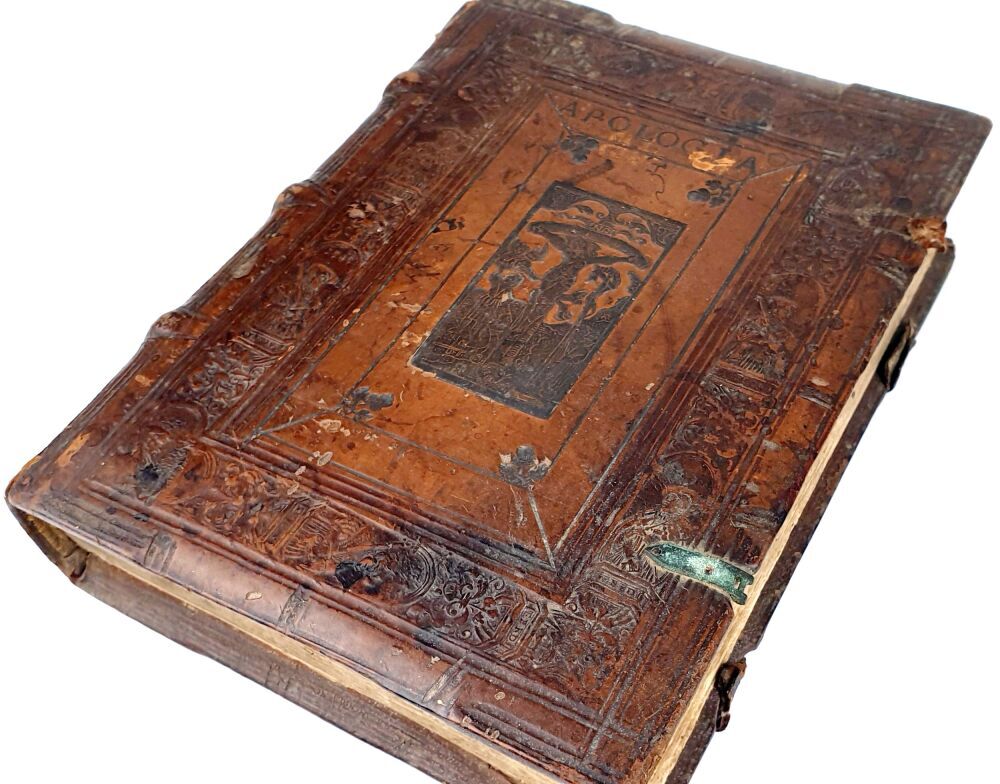
[Renesansowa oprawa z wizerunkami Habsburgów i Jagiellończyków] Nowopolczyk - Apologia Alberti Novicampiani. Kraków 1559
[Renesansowa oprawa z wizerunkami Habsburgów i Jagiellończyków] Nowopolczyk - Apologia Alberti Novicampiani. Kraków 1559
Dział "Najlepsze z najlepszych", czyli creme de la creme, "The best of the best" nie tylko z naszej oferty, ale najlepsze na rynku. Rzeczy ekstremalnie rzadkie, druki cenne i poszukiwane, prawdziwe białe kruki.
Książki te najczęściej nie goszczą na łamach naszego serwisu internetowego, nie są dostępne dla ogółu, ale wyłącznie dla starannie wyselekcjonowanej i zamożnej Klienteli.
Z uwagi na fakt, iż działamy na rynku antykwarycznym od wielu lat, mamy duże doświadczenie w pozyskiwaniu cennych obiektów. Pomożemy Państwu pozyskać najbardziej poszukiwane w Polsce dzieła.
Dzisiaj polski starodruk, a zarazem cenna książka do kolekcji.
NOWOPOLCZYK Wojciech (1504-1559) (Novicampiani, Alberti)
APOLOGIA ALBERTI NOVICAMPIANI
W oficynie wydawniczej Andrysowicza wydanych zostało 261 druków w kilku językach, w tym 130 w języku polskim, m.in. dzieła M. Kromera, A. Frycza Modrzewskiego, S. Orzechowskiego, zbiory praw B. Groickiego czy innowiercze druki ulotne.
Wydane zostały w niej liczne książki ważne dla rozwoju nauki polskiej, jak np. O sprawie, sypaniu, wymierzaniu i rybieniu stawów" z roku 1573, które jest pierwszym dziełem w języku polskim o hodowli ryb oraz inżynierii lądowej, a także pierwsza polskojęzyczna praca na temat geodezji i miernictwa „Geometria to jest miernicka nauka” Stanisława Grzepskiego z roku 1566. Cenione są jego publikacje muzyczne; wydrukował m.in. utwory Mikołaja Gomółki, Wacława z Szamotuł oraz Valentina Bakfarka.
Drukarnia słynęła z publikacji wysokiej jakości i poziomu edytorskiego.
To historyczne dzieło zostało napisane przez Albertusa Novicampianusa (Wojciecha Nowopolskiego), doktora medycyny, filologa, teologa i profesora Uniwersytetu Krakowskiego dot apologii wiary chrześcijańskiej.
Wojciech Nowopolski ukończył studia w Akademii Krakowskiej w 1532 roku i rozpoczął tam pracę jako profesor. Początkowo poświęcił się medycynie, później uczył greki. Pod koniec kariery akademickiej skupił się na teologii. W latach 1553-1557 był nauczycielem Johanna Zygmunta Zápolyi, pierwszego księcia Siedmiogrodu, antykróla Węgier, księcia opolsko-raciborskiego, syna króla Węgier, Chorwacji, Siedmiogrodu i Siedmiogrodu Jana Zápolyi.
"Oprawa renesansowa, warsztat anonimowy, prawdopodobnie Kraków, około 1560
Materiał: deski bukowe, fazowane, skóra brązowa, wołowa, blok szyty na trzy podwójne i dwa pojedyncze zwięzy sznurowe, wyklejki papierowe (zachowane częściowo) bez widocznych znaków wodnych;
Zapięcia: mosiężno-skórzane; zapinki (jedna brakująca) w typie sztyftowym, o blaszkach lancetowatych pokrytych prostymi grawerunkami; zaczepy brakujące (zachowane fragmenty pasków); blaszki kotwiące prostokątne, nabite parą mosiężnych gwoździ.
Dekoracja: ślepo wyciskana i złocona tzw. szlaggoldem (złotem z domieszką srebra powodującym spatynowanie/sczernienie) za pomocą strychulca, radełka, tłoków i plakiety (drewnianego klocka). Kompozycja dekoracji okładzin – ramowa ze zwierciadłem; na górnej okładzinie, w centrum obszernego pola zwierciadła prostokątna, złocona plakieta z wizerunkiem Ukrzyżowanego Chrystusa na tle starotestamentowych scen Ofiary Abrahama i Wywyższenia węża miedzianego od góry ujętych łukiem renesansowej arkady; w wewnętrznych narożach pola zwierciadła złocone motywy żołędzia z szypułką i listkami, dalej rama złocona z podwójnych linii (zewnętrznych i wewnętrznych) tworzących rodzaj listew stykających się w narożach (co zaznaczono krótkimi, ukośnymi liniami fazowań); w górnej – poziomej listwie ramy wyciskany z tłoków literniczych, złocony napis antykwowy „APOLOGIA”, stanowiący skrócony tytuł oprawionego druku. Zewnętrzna rama ślepo wyciskana z radełka obwiedzionego liniami strychulcowymi; ukazuje ona „galerię” półpostaci władców z dynastii Habsburgów – cesarza Karola V i króla Czech i Węgier Ferdynanda I, oraz przedstawiciela dynastii Jagiellońskiej – króla Czech, Węgier i Chorwacji, Ludwika II Jagiellończyka, ubranych w strój dworski z beretem na głowie oraz z mieczem o podniesionej klindze (Karol, Ludwik) lub berłem (Ferdynand) w ręku; postacie widnieją w prześwitach okien z półkolistym łukiem wspartym na konsolach i z prostym parapetem (pod sylwetką Karola) lub małym, trójbocznym wykuszem (pod sylwetkami Ferdynanda i Ludwika), na których widnieje antykwowy napis identyfikacyjny „CAROLVS”, „FERDI[nandus]”, „LVDOVI[cus]”; pod wizerunkiem Karola ukazana arabeska zaś pod wizerunkami Ferdynanda i Ludwika konsola z dekoracją floralną w typie arabeski; w tle półpostaci Ludwika, bezpośrednio pod łukiem, data wykonania radełka „1540”. Dekoracja dolnej okładziny o uproszczonej (a tym samym tańszej) formie opartej wyłącznie na ślepych wyciskach: w centrum zwierciadła podwójne, pionowe radełkowanie z wizerunkami cesarza Karola V, obwiedzione liniami strychulcowymi, które tworzą ramę o pustych listwach stykających się w narożach ukośnymi fazowaniami; powyżej i poniżej ramy dodatkowe, poziome listwy wyzbyte zdobień; dokoła rama radełkowa o formie analogicznej jak na górnej okładzinie. Dekoracja grzbietu ograniczona do linii strychulcowych ujmujących tzw. garby zwięzów.
Reprezentatywny przykład polskiej oprawy renesansowej, której dekoracja egzemplifikuje przenikanie się wpływów introligatorstwa niemieckiego (zwłaszcza saskiego) i włoskiego. Te pierwsze sprowadzają się przede wszystkim do ogólnego schematu ramy radełkowej wypełnionej dekoracją figuralną. W tym zakresie na szczególną uwagę zasługują podobizny władców z dynastii Habsburskiej (cesarz Karol V oraz król Czech, Węgier i Chorwacji, a od 1558 r. cesarz Ferdynand I) oraz Jagiellońskiej (król Czech, Węgier i Chorwacji, Ludwik II Jagiellończyk). Zestawienie ich ze sobą stanowi bowiem wyraz propagandy politycznej, akcentującej dynastyczne związki obu rodzin panujących. Równie charakterystyczna dla niemieckiej tradycji introligatorskiej pierwszych dekad XVI w., zaadaptowanej w Królestwie Polskim jest złocona, prostokątna plakieta ze sceną religijną. Z kolei pierwiastek włoski ujawnia się w złoconych, linearnych ramach otaczających centralny motyw zwierciadła. Taki schemat zdobniczy wywodzi się z introligatorstwa weneckiego końca XV i początku XVI stulecia, w tym przede wszystkim z opraw tzw. aldyńskich, tworzonych przez rzemieślników z kręgu oficyny Alda Manucjusza. W kategorii zapożyczeń z opraw włoskich należałoby rozpatrywać także drobne motywy floralne widniejące w wewnętrznych narożach górnej okładziny. Ich geneza wiąże się przede wszystkim z oprawami weneckimi, w których jednak preferowano motyw tzw. listka aldyńskiego (wł. foglio aldino)." Dr hab. Arkadiusz Wagner
Dr hab. Arkadiusz Wagner - pracownik naukowo-dydaktyczny na UMK w Toruniu, specjalista tegumentolog. Autor licznych prac na tamet introligatorstwa średniowiecznego i nowożytnego w Polsce i Europie, superekslibrisu jako znaku własnościowego książki i jako dzieła sztuki, sztuki ekslibrisu XV-XXI w oraz grafiki książkowej.a XV-XXI w.;
m.in.: "Superekslibris polski. Studium o kulturze bibliofilskiej i sztuce od średniowiecza do połowy XVII wieku, Wydawnictwo Naukowe UMK, Toruń 2016,
Elementy manierystyczne w zdobnictwie introligatorskim w Polsce (od XVI do początku XVII wieku), "Rocznik Biblioteki Narodowej", 2016, T. XLVII.
stulecia. Od tego czasu, to jest od 1867 do 1944 roku i od tak zwanej reformy rolnej, a faktycznie, wywłaszczenia ziemian z ich posiadłości rodowych, dane było tam żyć, współtworząc historię i kulturę rolną tej podlubelskiej krainy aż czterem pokoleniom ziemian Kowerskich. Wymieniając męskich przedstawi cieli linii podlubelskiej Kowerskich, należy wspomnieć w porządku chronologicznym o: Stefanie Franciszku Szymonie Kowerskim (1824–1901), jego synu
z drugiego małżeństwa, Stefanie Kazimierzu (1866–1948) i synu tegoż, Stefanie Konstantym (1895–?)."
twierdzić tezę sformułowaną w temacie niniejszego szkicu. Miejscem jego uro dzenia był rosyjski Siemionów w guberni niżnonowogorodzkiej, gdzie przebywający na zesłaniu Stefan Franciszek Kowerski, ziemianin z Litwy, wdowiec, po stracie pierwszej żony poznał osiemnastoletnią Zofię Przewłocką, towarzyszącą dobrowolnie na zsyłce swojej matce, Zofii z Koźmianów PrzewłockiejGoniewskiej. Ślub tych dwojga, mimo znacznej różnicy wieku (20 lat) jak i chrzest ich pierworodnego syna – Stefana Kazimierza odbyły się 4 lipca 1865 roku w najbliższym kościele katolickim.
Patriotyzm i przywiązanie do wartości oraz tradycji narodowych wyniósł Stefan Kazimierz z domu rodzinnego, w którym był bogaty księgozbiór zgro madzony przez matkę, znaną pisarkę oraz ojca – erudytę o szerokich zaintere
sowaniach umysłowych. Tak atmosferę domu Kowerskich w Józwowie scha rakteryzował autor artykułu w lubelskiej gazecie:
[...] oboje z mężem przekształcili małe swoje mienie w kompleks dóbr kwitną
cych, promieniujących na całą okolicę kulturą – zarówno gospodarską jak i umy
słową.
Pewne światło na osobowość Stefana Kowerskiego, seniora i jego stosunek do robotników polowych rzuca fakt, z pozoru błahy: dziedzic zamiast tradycyj nego poczęstunku wódką w czasie podwieczorku wypłacał każdemu z pracują
cych pięć kopiejek. Autorytetem dla wnucząt w rodzinie Kowerskich była babka ze strony matki, Zofia PrzewłockaGoniewska (1818–1907), bratanica poety klasycysty, Kajetana Koźmiana, postać szlachetnej i pełnej poświęcenia patriotki. Wszystko to oraz wiedza rolnicza i doświadczenie gospodarskie przekazywane przez ojca synowi, a pogłębione w latach nauki w Instytucie Rolnictwa i Leśnictwa w Puławach (1888–1890), ukształtowało Kowerskiego jako człowieka o chłonnym i otwartym umyśle, aktywnego w życiu społecznym środo
wiska lokalnego i Lubelszczyzny".


Lubicie to, dajcie łapkę w górę:
https://www.facebook.com/antyksobieski/#

Poniżej znajdziesz linki do opisanego tu obiektu, innych wyjątkowych polskich starodruków oraz artykułów opisujących podobne bibliofilskie skarby czy białe kruki.
![[RENESANSOWA OPRAWA Z WIZERUNKAMI HABSBURGÓW I JAGIELLOŃCZYKÓW] NOWOPOLCZYK - APOLOGIA ALBERTI NOVICAMPIANI. Kraków 1559](/media/products/adfd8c1fe2910360016828a5d45da00e/images/thumbnail/small_batch-20250109-144014.jpg?lm=1765618191)
![[WYBITNA POLSKA OPRAWA RENESANSOWA MISTRZA PORTRETÓW MEDALIERSKICH Z POZNANIA] NICEPHORI CALLISTI XANTHOPULI - SCRIPTORIS VERE CATHOLICI 1553](/media/products/2e1a46a4ab7f3b37b1ca2e5bdf86be0c/images/thumbnail/small_batch-20230512-141958.jpg?lm=1765538814)


![COXE- TRAVELS INTO POLAND, RUSSIA, SWEDEN, AND DENMARK t.1-2 [komplet w 2 wol.] wyd. 1784](/media/products/4262cdc4947e971469c870cdf857bdb0/images/thumbnail/small_batch-20220527-140054.jpg?lm=1765540515)

![[Wybitna polska oprawa renesansowa Mistrza Portretów Medalierskich Z Poznania] Nicephori Callisti Xanthopuli - Scriptoris Vere Catholici 1553](/uploads/blog/main/thumbnail/thumb_6554ad16263bc-big-batch-20230515-142811.jpg?lm=1765538149)


 Angielska