Konstytucja 3 Maja - między tradycją ustrojową a wyjątkowym eksperymentem elit.
Konstytucja 3 Maja - między tradycją ustrojową a wyjątkowym eksperymentem elit.
Konstytucja 3 Maja 1791 jako zwieńczenie polskiej tradycji ustrojowej, próba samoreformy elit oraz ważny punkt odniesienia dla historii bibliofilstwa i rynku starodruków w Polsce.

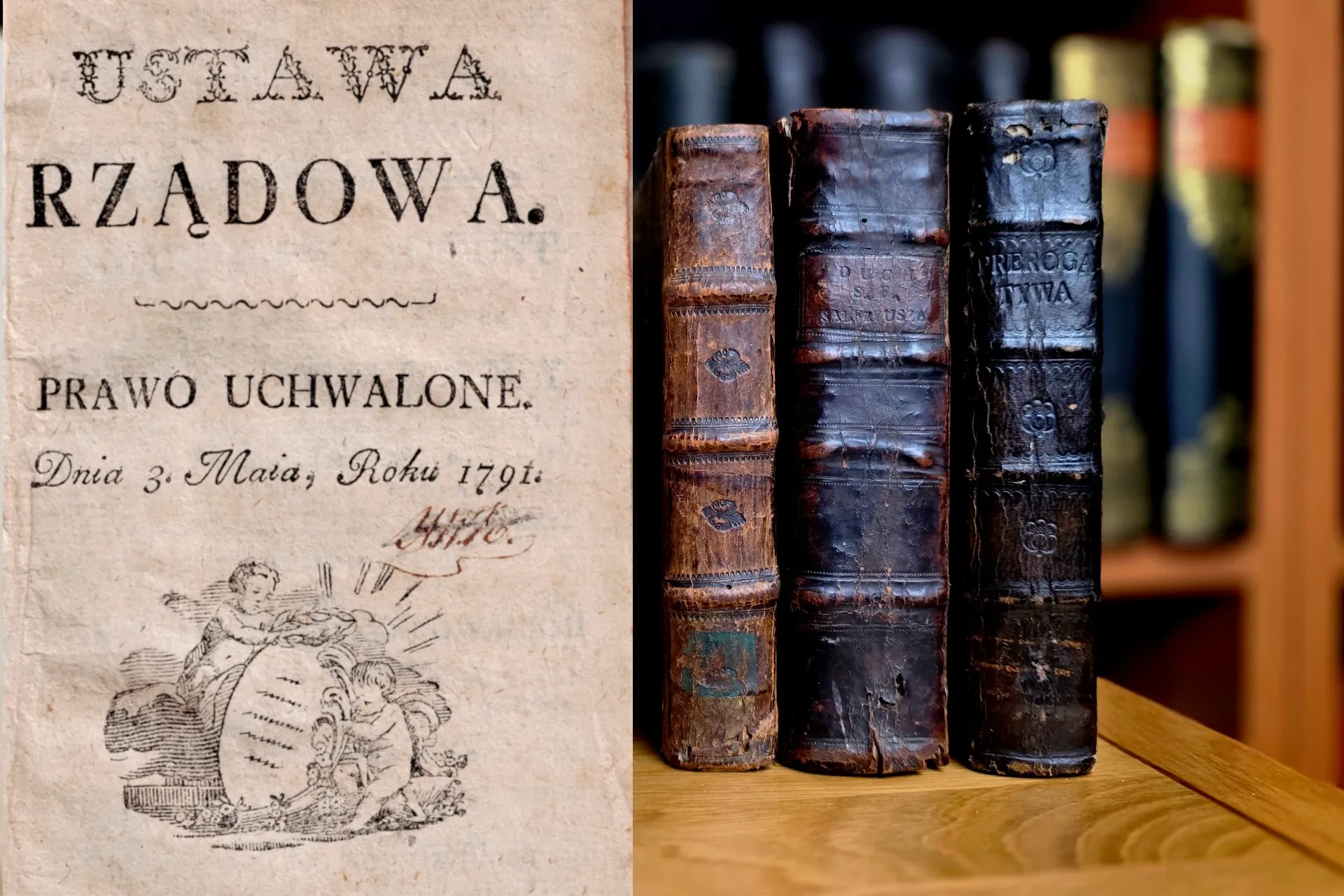
Konstytucja 3 Maja – między tradycją ustrojową a wyjątkowym eksperymentem elit
Konstytucja nie jako początek, lecz dojrzałość systemu
Konstytucja 3 Maja 1791 często bywa określana jako pierwsza nowoczesna konstytucja Europy,
jednak w rzeczywistości była ona raczej zwieńczeniem długiej ewolucji ustrojowej niż jej początkiem.
Wcześniejsze akty, takie jak akt konfederacji warszawskiej (1573) oraz Artykuły Henrykowskie
wraz z pacta conventa, tworzyły już fundamenty ustrojowe Rzeczypospolitej i należy je traktować jako wcześniejsze formy „konstytucji politycznej”.

Karta tyt. "Ustawy Rządowej" (Konstytucji 3 maja) z 1791 roku, druku wydanego w Warszawie przez oficynę Michała Grölla.
Wolność i jej paradoksy
Spór o reformy dotyczył fundamentalnego pytania o sens wolności politycznej.
Sallust ujął ten problem w słowach:
„potiorque visa est periculosa libertas quieto servitio”
„Lepsza wydawała się niebezpieczna wolność niż spokojna niewola”
Ten dylemat powracał w Polsce końca XVIII wieku:
czy wolność bez instytucji nie prowadzi do upadku państwa?
Targowica i rozpad kompromisu
Odpowiedzią na reformę była reakcja części elit, często będąca jurgieltnikami (czyli jawnie opłacanymi przez zaborców), znana jako Konfederacja Targowicka.
W imię obrony dawnych przywilejów doprowadziła ona do interwencji zewnętrznej i okrojenia państwa, a w konsekwencji zaprzestania jego istnienia.

"Klocek" z pierwodrukiem Ustawy Rządowej - Konstytucji 3 Maja, egz. z pieczęcią i podpisem Adama Skulskiego czyli jej oficjalny dokument.
Marks i paradoks reformy elit
Doceniali wielkość Konstytucji nie tylko konserwatyści, jak Edmund Burke (a Katarzyna II jej się bała).
Również Karol Marks zauważał, że Konstytucja 3 Maja była wyjątkowym przypadkiem w historii Europy:
„Konstytucja utrzymywała wprawdzie przywileje szlacheckie i nie wyzwoliła chłopów...”
Jednocześnie podkreślał:
„...widnieje na tle rosyjsko-prusko-austriackiej barbarii jako jedyne dzieło wolnościowe,
które kiedykolwiek Europa Wschodnia samodzielnie stworzyła... Historia... nie zna innego przykładu podobnej szlachetności szlachty.”
Samoreforma elity
W ujęciu badaczy (m.in. prof. Michała Zwierzykowskiego) była to reforma przeprowadzona przez rządzącą warstwę społeczną – szlachtę – która sama, bez przelewu krwi, ograniczyła własne przywileje.
Jest to jedyny znany taki przypadek w historii świata.

Karta tyt. "Ustawy Rządowej" (Konstytucji 3 maja) z 1791 roku, druku wydanego w Warszawie : u P. Dufour [...], [post 28 VI 1791].
Konstytucja i świat starodruków
Z perspektywy kultury książki Konstytucja 3 Maja funkcjonuje dziś także jako obiekt materialny i kolekcjonerski.
Edycje z okresu jej obowiązywania oraz nieco późniejsze z okresu istnienia I Rzeczypospolitej należą do kategorii starodruków polskich zaliczanych do grupy cennych.
W szerszym ujęciu są one częścią dziedziny określanej jako bibliofilstwo, czyli pasja gromadzenia i badania dawnych druków.
W tym obszarze funkcjonuje rynek obejmujący rzadkie książki, druki historyczne i dokumenty ustrojowe. Pojawiają się one w ofertach wyspecjalizowanych miejsc, takich jak antykwariat specjalistyczny starodruki, a także w sprzedaży określanej jako antykwariat online.
W praktyce osoby zainteresowane tym segmentem rynku często wpisują w wyszukiwarki pytania typu:
„gdzie kupię polskie starodruki od ręki”, choć rzeczywistość tego rynku jest bardziej złożona – obejmuje zarówno kolekcje prywatne, jak i wyspecjalizowane domy handlowe.
Na polskim rynku antykwarycznym działają również wyspecjalizowane miejsca kolekcjonerskie, takie jak Antykwariat Sobieski, zajmujące się obrotem rzadkich druków i materiałów historycznych.
Zakończenie
Konstytucja 3 Maja pozostaje nie tylko dokumentem politycznym, ale także częścią szerszego dziedzictwa kultury pisma i materialnej historii książki.
Łączy w sobie:
• tradycję ustrojową Rzeczypospolitej,
• próbę modernizacji państwa,
• oraz świat bibliofilstwa i starodruków, który do dziś bada i chroni historię drukowaną Europy.
Tablice z uwiecznionym tekstem jej preambuły powinny być u bram do wszystkich miejsc, gdzie obradujący tworzą prawa.
A jej dokumenty – pierwodruki uwierzytelnione – powinny być traktowane tak jak oryginały, rękopisy jako RELIKWIE NARODOWE.
Red. Wojciech Kochlewski – Bibliofil Młociński
Zastosowałem dużą literę „M”, wbrew purystom językowym, w określaniu Konstytucji za prof. Juliuszem Bardachem, autorem wprowadzenia naukowego do wydania Konstytucji 3 Maja 1791, Wydawnictwo Sejmowe 2011, by oddać jej należny szacunek. Ilustracje pochodzą z różnych źródeł.
Komentarz o autorze
Wojciech Kochlewski i popularyzacja dziedzictwa
W tym kontekście istotną rolę odgrywa Wojciech Kochlewski – bibliofil, kolekcjoner i popularyzator dziedzictwa Konstytucji 3 Maja, związany z działalnością wystawienniczą i edukacyjną.
Więcej informacji:
https://konstytucja3maja.info
Starodruki polskie jako inwestycja – pytania czytelników
1. Czym jest dla Pana bibliofilstwo?
Bibliofilstwo – przez niektórych, tak jak każde zbieractwo, uważane jest za rodzaj choroby (umysłowej).
Moje bibliofilstwo odziedziczyłem z genami. Nie wiem tylko czy po przodku z XVII wieku, który w zachowanym testamencie przekazał biblioteką synom, czy po mojej babce, która była macochą (a nie rodzoną Matką) mego ojca.
2. Dlaczego Konstytucja 3 Maja jest tak ważna z perspektywy bibliofilstwa i kolekcjonerstwa?
Konstytucja 3 Maja, jej podstawowa część Ustawa Rządowa, jest jednym z najważniejszych aktów w historii Polski, docenianym przez przez wszystkich na świecie, którzy cenili demokrację przeciwstawiając się tyranii. Gdy dotarło do mnie, że jej pierwodruk – oficjalny dokument – jest prawie nieznany – wręcz niedoceniany, postanowiłem temu przeciwdziałać.
A bibliofilstwo, tak jak każde kolekcjonerstwo, rozwija znacząco wiedzę o przedmiocie swego zbieractwa.
3. Czy pierwodruki Konstytucji 3 Maja są dziś uznawane za bezpieczną lokatę kapitału?
Zależy od „tematu” zbieractwa, uwarunkowane jest również zmieniającą się sytuacją polityczną. Np. ceny kresowianów czy „Piłsudczanów” po zmianie ustrojowej w r. 1990 spadły (co jest zrozumiałe). Poza tym MODA.
Ceny druków związanych z Konstytucją 3 Maja wzrosły bardzo, znacznie szybciej niż innych druków. Są jednak wciąż niżej cenione niż w innych krajach ich dokumenty.
4. Jaką rolę w popularyzacji starodruków pełni działalność edukacyjna i kolekcjonerska antykwariatów?
Przy dobrych opisach oferowanych pozycji bardzo dużą, ale zdarzają się błędy nawet w najbardziej znanych antykwariatach.
5. Czy antykwariat online to bezpieczne miejsce do zakupu rzadkich druków historycznych?
Zależy od antykwariatu. Ja kupując (już z rzadka), nie spotkałem się z oszustwem. Antykwariat online Sobieski – jeśli chodzi o bezpieczeństwo – nie mam żadnych zastrzeżeń. Tylko te ceny – wysokie – ale może dzięki temu tak dobra i obszerna oferta. Ja chciałbym móc liczyć na (duże) rabaty.
FAQ – Pytania do antykwariusza
Czy warto kolekcjonować starodruki prawnicze?
Tak, szczególnie jeśli chodzi o polskie starodruki prawnicze, które należą do najbardziej wartościowych i stabilnych segmentów rynku bibliofilskiego.
Ich znaczenie wynika z powiązania z historią ustroju, prawa i rozwoju państwowości, co sprawia, że mają zarówno wartość naukową, jak i kolekcjonerską.
Kluczowe jest korzystanie z zaufanych źródeł, takich jak renomowane antykwariaty, domy aukcyjne oraz kolekcje instytucjonalne, gdzie można zweryfikować autentyczność egzemplarzy.
Ogromne znaczenie ma także stan zachowania, który bezpośrednio wpływa na wartość – kompletność, oryginalna oprawa i brak ingerencji konserwatorskich podnoszą cenę i prestiż obiektu.
Warto jednak dodać, że profesjonalnie wykonana, zgodna z historycznym rzemiosłem oprawa lub fachowo przeprowadzona konserwacja również mogą zwiększyć wartość druku, szczególnie jeśli poprawiają jego trwałość i estetykę bez naruszania autentycznego charakteru egzemplarza.
Polskie starodruki prawnicze są też stosunkowo rzadkie, co dodatkowo zwiększa ich atrakcyjność inwestycyjną i kolekcjonerską.
Czy Konstytucja 3 Maja to dobra lokata inwestycyjna?
Zdecydowanie tak – Konstytucja 3 Maja i jej pierwodruki należą do obiektów o wysokiej wartości historycznej i kolekcjonerskiej.
Tego typu druki nie są produkowane ani odtwarzane w sposób, który zwiększałby podaż, dlatego ich liczba na rynku systematycznie maleje.
Najcenniejsze egzemplarze trafiają do prywatnych kolekcji, archiwów instytucji publicznych oraz muzeów, gdzie często pozostają na stałe.
To powoduje naturalny efekt „znikania z rynku”, co w długim okresie sprzyja wzrostowi wartości.
Z perspektywy inwestycyjnej jest to aktywo unikalne, łączące wartość historyczną, kulturową i kolekcjonerską.
Jak rozpoznać autentyczny starodruk polski?
Autentyczność starodruku ocenia się na podstawie papieru czerpanego, typografii, sygnatur drukarskich oraz zgodności z katalogami bibliograficznymi.
W praktyce kluczowe jest porównanie egzemplarza z opisami w zbiorach bibliotecznych i archiwalnych.
Transparentność pochodzenia obiektu i możliwość weryfikacji jego historii są kluczowe dla bezpieczeństwa zakupu.
Więcej w artykule: Jak wybrać starodruk? Dla kogo jest ten poradnik?
Gdzie kupować starodruki, żeby uniknąć falsyfikatów?
Najbezpieczniejsze są wyspecjalizowane antykwariaty, domy aukcyjne oraz sprawdzone kolekcje prywatne z udokumentowaną proweniencją.
W przypadku rynku polskiego dobrym przykładem jest Antykwariat Sobieski, który specjalizuje się w rzadkich drukach historycznych i starodrukach.
Warto również korzystać z materiałów edukacyjnych i poradników dotyczących zakupu starodruków, takich jak:
https://antyksobieski.pl/blog/jak-kupowac-starodruki-i-przedwojenne-wydania-w-internecie-kompletny-poradnik-dla-poczatkujacego-kolekcjonera
![[KONSTYTUCJA 3 MAJA 1791]. KALENDARZYK NARODOWY I OBCY Warszawa 1791/2, suplement](/media/products/8e9c43dab46a5ee2d3b24b22effbffd6/images/thumbnail/small_batch-20250625-120708.jpg?lm=1765540476)
![[WYBITNA POLSKA OPRAWA RENESANSOWA MISTRZA PORTRETÓW MEDALIERSKICH Z POZNANIA] NICEPHORI CALLISTI XANTHOPULI - SCRIPTORIS VERE CATHOLICI 1553](/media/products/2e1a46a4ab7f3b37b1ca2e5bdf86be0c/images/thumbnail/small_batch-20230512-141958.jpg?lm=1765538814)
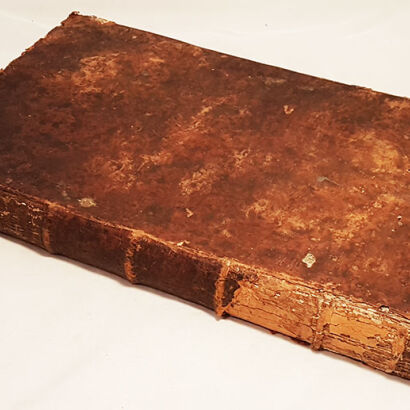


![OSTROWSKI- PRAWO CYWILNE NARODU POLSKIEGO t.1-2 [koplet w 2 wol.] wyd. 1784](/media/products/ececfd91e31adbb97f8643911c0e12a5/images/thumbnail/small_batch-20221014-113232.jpg?lm=1765540515)


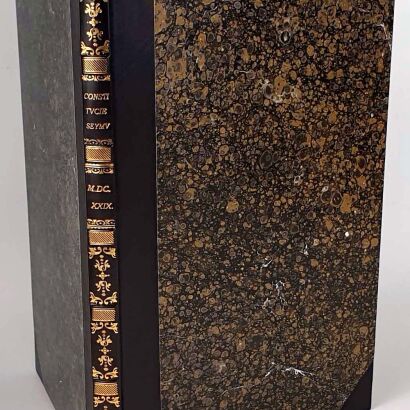
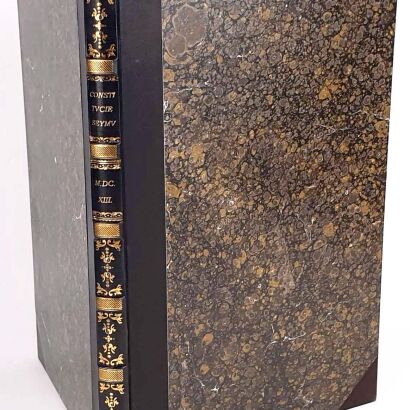


![[PRELUDIUM WOJNY ZE SZWECJĄ] UCHWAŁA SEYMU TORUNSKIEGO 1626](/media/products/a080d58b1c59ba7b90a7f9357031edc6/images/thumbnail/small_Abatch-20251021-105906.jpg?lm=1765538197)


![[Wybitna polska oprawa renesansowa Mistrza Portretów Medalierskich Z Poznania] Nicephori Callisti Xanthopuli - Scriptoris Vere Catholici 1553](/uploads/blog/main/thumbnail/thumb_6554ad16263bc-big-batch-20230515-142811.jpg?lm=1765538149)
 Angielska