Collector’s Books as an Investment: A Complete Guide on Where to Find Valuable Editions (Antiquarian Bookshops, Auctions, Online) and How to Buy Them Safely
Collector’s Books as an Investment: How to Find Valuable Copies and Buy Safely
Collector’s books combine passion with the potential for capital investment. First editions, antiquarian prints, or autographed copies can appreciate in value over time if carefully selected and properly preserved. In this guide, you will learn where to look for valuable editions – in antiquarian bookstores, at auctions, and online – as well as how to make purchases safely. This way, your collection can become both a beautiful hobby and a valuable investment.
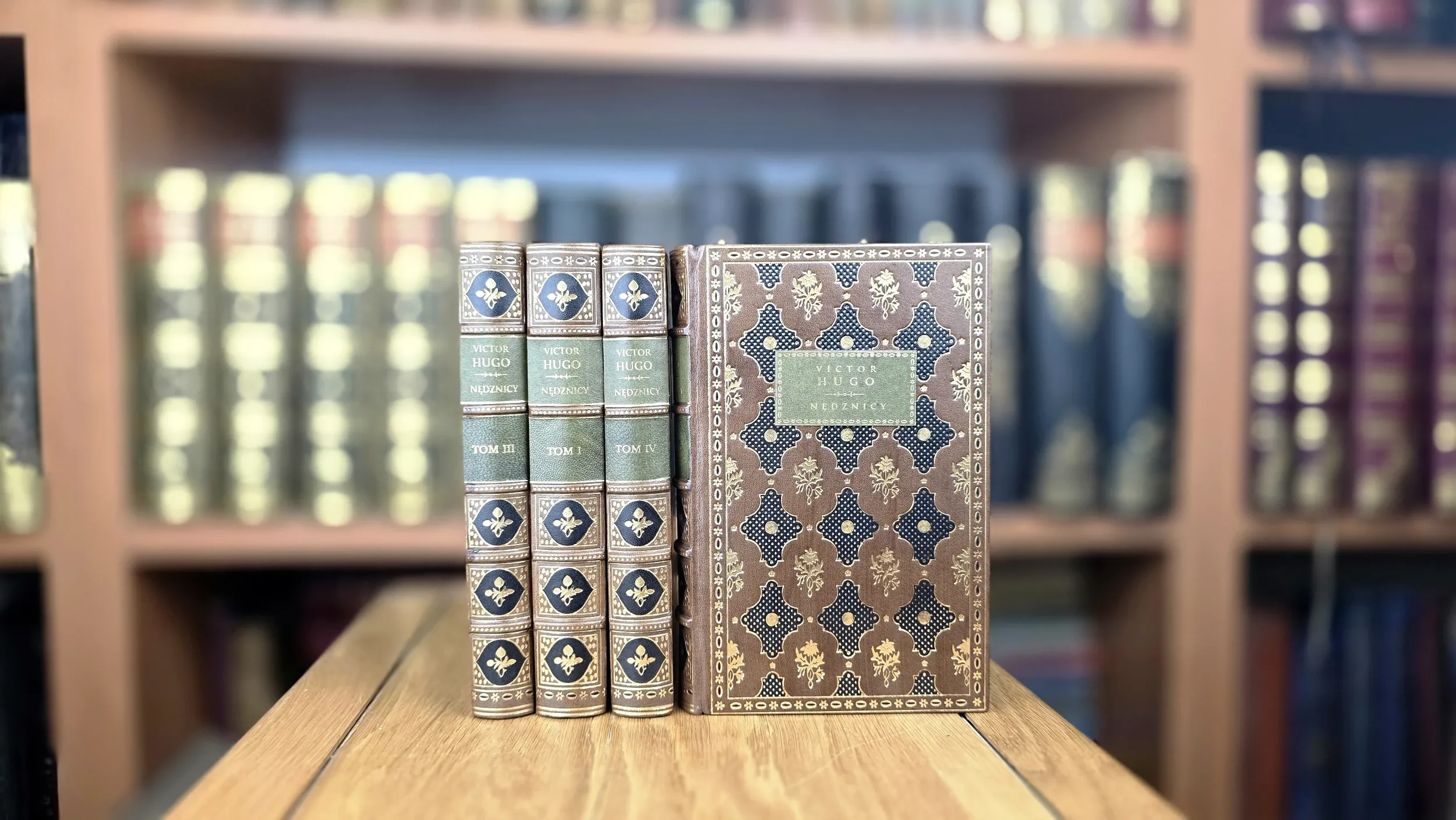
Collector’s Books as an Investment: A Complete Guide on Where to Find Valuable Editions (Antiquarian Bookshops, Auctions, Online) and How to Buy Them Safely
Collector’s books as an investment represent a niche that combines the pleasure of engaging with literature with the potential for preserving and growing capital. This is not a market for those seeking “quick wins” – it requires time, knowledge, patience, and caution. A well-chosen copy, however, can, over the years, turn out to be not only a beautiful object but also a valuable asset.
The following guide shows how to approach this topic sensibly: which types of books have investment potential, where to look for them (antiquarian bookshops, auctions, online), how to buy safely, and how to minimize risk.
1. Collector’s Books as an Investment – Who Should Consider It?
Collector’s books as an investment are primarily:
- an alternative form of investment – alongside art, wine, numismatics, or watches,
- a way to build a valuable, cohesive library,
- a hobby that brings satisfaction in itself, even if the financial gain is modest.
This path makes sense if you:
- enjoy books and are interested in their material aspects (bindings, paper, typography, provenance),
- can adopt a long-term horizon (5–10+ years),
- accept lower liquidity than with stocks or funds,
- are willing to learn the market (auction catalogs, sales archives, professional literature).
It’s beneficial to approach purchases not just emotionally but also as capital investment: comparing prices, condition, rarity, and demand.
2. What Is Suitable for Investment? Types of Collector’s Books
2.1. Antiquarian Books
Antiquarian books are, broadly speaking, books printed until the end of the 18th century (often considered up to around 1800). They are characterized by:
- movable type printing,
- often woodcuts or engravings,
- handmade paper,
- parchment or leather bindings.
On the investment market, the main considerations are:
- significant works in theology, law, and natural sciences,
- polonica – books published in Poland or related to Poland,
- copies in good, unrestored condition, with preserved engravings, maps, or plates.
Prices of antiquarian books in Poland start at several thousand zlotys, and rare titles or exceptional copies can reach tens of thousands of zlotys or more. Good examples of this segment are collector antiquarian books and older editions offered by specialized bookshops.
2.2. Pre-1945 Editions and Literary Classics
Another important category is pre-war editions (before 1945):
- first Polish editions of famous authors (e.g., Gombrowicz, Miłosz, Schulz),
- literature of the interwar period,
- varsaviana (books about Warsaw) and regional publications from other cities,
- publications related to important historical events.
Particularly valuable in this segment are:
- first editions,
- copies in original bindings,
- books with preserved dust jackets.
To see this profile in practice, explore the pre-1945 books section.
2.3. First Edition, First Printing – Why It Matters
In collector literature, two key terms often appear:
- first edition – the first publication of a work in its form (usually in a given language),
- first printing (or “first impression”) – the first run of that edition from the printing press.
For the most sought-after books (e.g., world literature classics), the highest value is held by:
- first editions in the first printing – i.e., first edition, first printing,
- in the original binding, preferably with a dust jacket,
- in very good or excellent condition.
Subsequent printings (second, third, etc.) are usually much cheaper, even if they look similar to a layperson. For the market context, it is also worth examining what qualifies as the first Polish edition in a collector example.
2.4. Autographs and Provenance Copies
Additional value may be added by:
- the author’s autograph – from a simple signature to a dedication for a specific person,
- inscriptions (e.g., notes from famous people or previous owners),
- provenance – documented history of the copy (e.g., ex libris of a notable scholar, stamp of a well-known bibliophile).
The autograph market in Poland is active. For example:
- typical autographs of lesser-known authors can be purchased for 50–200 PLN,
- more interesting ones, linked to literary classics or prominent public figures, reach 200–1500 PLN and more,
- rare first editions with autographs may exceed several thousand or even tens of thousands of PLN.
2.5. Limited Editions, Art Books, Comics, and Children’s Books
Growing segments include:
- limited editions of contemporary books (numbered, often autographed, on high-quality paper, with special bindings),
- art books – artistic or object-books,
- rare comics (e.g., PRL-era comics, first editions of popular series),
- classic children’s books in first editions.
Key factors in these categories are:
- number of copies (print run),
- significance of the title and author (loyal fan base),
- condition – especially for comics and children’s books, which were often heavily used.
3. How Are Collector’s Books Valued? Key Value Factors
3.1. Rarity + Condition + Demand + Cultural Significance
The value of a collector’s book is determined by a combination of factors:
- Rarity (print run, survival) – How many copies were originally printed? How many survive in good condition?
- Condition – Is the copy complete? Is it damaged, water-stained, or heavily read?
- Demand – Are collectors interested in this author, series, or topic? Is the title trending in auctions, articles, or social media?
- Cultural and historical significance – Does the book impact culture, history, or science? Is it a milestone in the author’s or era’s body of work?
Age alone is insufficient. A 19th-century accounting textbook in poor condition may have minimal market value, whereas a well-preserved first edition of a cult 1960s novel may be worth much more.
3.2. Understanding Condition
Professional condition descriptions use abbreviations like VG, Fine, Near Fine. Beginners should focus on:
- Binding – original or later? Any wear, cracks, loose hinges?
- Text block – are the pages firmly attached, or loose?
- Paper – clean, or showing:
- foxing – brown, irregular spots caused by oxidation and moisture, reducing value especially when severe,
- discoloration from light, stains, mold.
- Completeness – all text pages, title pages, maps, plates, illustrations, dust jacket (for 20th-century editions).
3.3. Dust Jackets, Additions, Completeness – Why They Matter
For 20th-century books and beyond, the dust jacket can carry significant value. Rare are copies:
- with the original dust jacket,
- without major losses,
- without tape repairs or writing.
Lack of a dust jacket can reduce value by tens of percent or make a copy merely average. Similarly, missing maps, illustration plates, photographic inserts, advertising inserts, or errata can reduce value.
3.4. Provenance, Ex Libris, Ex-Library
Provenance – documented ownership history, which may include:
- ex libris (sticker or stamp of the owner),
- collection stamps,
- notes on origin.
Good provenance (e.g., from a well-known bibliophile, professor, or noble family) can increase value.
Ex Libris – decorative sticker or stamp with the owner’s name. For some collectors, this adds historical value; for others, it diminishes the “pristine” condition.
Ex-library – copies from institutional libraries usually show multiple stamps, catalog numbers, sometimes pockets for loan cards, and traces of protective measures and repairs. Ex-library copies usually reduce collector value, though rare titles may still be desirable.
4. The Collectible Book Market – From Sotheby’s to Polish Auctions
4.1. Global Market Overview
The global market for books and manuscripts is steadily growing. The Books & Manuscripts departments at major auction houses achieve high turnover. For example, the Books & Manuscripts segment at Sotheby’s in recent years:
- exceeded USD 400 million in sales over 5 years,
- in 2025 reported approximately USD 82 million in turnover, marking a 33% increase year-on-year compared to 2024.
Headline-grabbing sales include:
- record-breaking rare prints and manuscripts (e.g., medieval codices, Bibles),
- unique copies with author inscriptions (first edition, first printing with dedication).
For a private investor from Poland, this serves more as a benchmark than a direct field of action, but it illustrates the scale and direction of market interest.
4.2. Polish Collectible Book Market
The market in Poland is smaller but very active:
- specialist antiquarian bookstores (e.g., the online Antykwariat Sobieski),
- auction houses and online platforms (e.g., OneBid),
- direct online sales (personal stores, marketplaces).
Popular segments include:
- pre-war Polish literature,
- varsaviana (Warsaw-related books) and regional books from other cities,
- Polish history, military, and old manuals,
- comics from the PRL era,
- autographs of writers, scientists, politicians.
Approximate price ranges on the Polish market:
- basic autographs: 50–200 PLN,
- more interesting autographs: 200–1,500 PLN and above,
- rare first editions: 1,000–10,000+ PLN,
- early prints: from several thousand to tens of thousands of PLN and beyond.
5. Where to Buy? Antiquarian Bookstores, Auctions, Internet
5.1. Brick-and-Mortar and Online Antiquarian Bookstores
For beginner collectors, antiquarian bookstores are usually the safest starting point. They offer:
- professional descriptions of condition and provenance,
- the possibility to ask questions and view additional photos,
- often – a guarantee of authenticity and statutory return rights.
Online Antykwariat Sobieski is an example of this approach:
- specializes in early prints, pre-war editions, first editions, and classics,
- collaborates with bibliophiles, collectors, and cultural institutions,
- emphasizes legal provenance of early prints and issues authenticity certificates on request,
- conducts shipping sales in Poland and abroad with careful packaging.
For investors, this reduces the risk of forged autographs, “assembled” copies, or inaccurate condition descriptions.
5.2. Auctions (In-Person and Online)
Auctions – both traditional and online – are where:
- rarer and more significant items appear,
- prices can be attractive if interest is low,
- but some bidding wars may be emotionally driven.
Some Polish antiquarian bookstores (including Antykwariat Sobieski) use platforms such as OneBid, where you can:
- browse catalogs,
- analyze historical results,
- compare valuations with later sale prices.
At auctions, consider:
- buyer’s premiums,
- the necessity of assessing condition based on photos,
- time pressure when making decisions.
5.3. Marketplaces and Classifieds – Opportunities and High Risk
Online classifieds, popular marketplaces, and social media groups:
- sometimes offer exceptional opportunities (selling from personal collections or inherited libraries),
- but carry significantly higher risk:
- lack of professional descriptions,
- under- or overstatement of condition,
- seller inexperience (or intentional misrepresentation),
- unclear return policies.
This channel is better suited for experienced collectors who can critically assess offers and compare them to the market.
6. How to Buy Safely? Risks and Best Practices
6.1. Main Risks of Investing in Books
Be aware of these risks:
- Low liquidity: Selling a valuable copy at a fair price takes time and the right channel.
- Overpaying: Without market knowledge, it’s easy to pay far above typical levels.
- Forged autographs: Signatures of famous authors are sometimes faked, especially for popular titles.
- “Assembled” copies: Books compiled from multiple copies, sometimes with added elements (maps, dust jackets), which decreases value.
- Condition worse than pictured: Hidden flaws – water damage, mold, unpleasant odors, loose pages – often appear only after receiving the item.
6.2. What to Check Before Buying a Collectible Book (Checklist)
Before any transaction, go through the following checklist:
- Did you carefully examine photos of the cover, spine, back, title pages, and several spreads?
- Did you request additional photos of critical areas (binding, potential damage, maps, plates, dust jacket)?
- Is there a clear description of the book’s condition (wear, missing parts, foxing, repairs, signatures, stamps)?
- Was completeness confirmed – all pages, illustrations, maps, plates, dust jacket?
- Did you check whether it’s a first edition / first printing or a later edition/reprint?
- Do you know if it’s ex-library (post-war library stamps, shelf marks)?
- Did you verify the seller’s credibility (reviews, transaction history, website, company data)?
- Are return and complaint policies clear?
- Are shipping costs and methods (e.g., insurance, packaging) appropriate for the book’s value?
- Did you compare the price with auction archives and other available offers?
Buying from a reputable online antiquarian bookstore, such as Antykwariat Sobieski, covers many of these concerns upfront thanks to professional descriptions, a proven track record, and standard service practices.
6.3. Common Flaws That Lower a Book’s Value
- Missing dust jacket: Especially important for 20th-century editions where the dust jacket is rarely preserved.
- Severe foxing and discoloration: Dense brown spots, streaks, and moisture stains significantly reduce aesthetic and market value.
- Water damage, mold, “basement” odor: Even if a book looks fine in photos, odor and mold traces make it less attractive for collectors.
- Loose gatherings, cracked hinges, missing parts of the binding: Mechanical damage affects durability and appearance; professional repair can be costly.
- Amateur tape repairs: Office or packing tape leaves yellow stains over time, damages paper, and lowers value.
- Unskilled cleaning or retouching: Non-professional conservation work, bleaching, or repainting dust jackets can harm more than help.
7. Beginner Collector/Investor Strategies
7.1. Choose a Niche Instead of “Buying Everything”
Rather than collecting random titles, it’s worth:
- selecting a specific area:
- pre-war Polish literature,
- a particular city (varsaviana),
- a specific genre (fantasy, reportage),
- a particular author or group of authors,
- focusing on learning the history of editions, typical prices, and rarity.
This allows better identification of opportunities and avoids overpaying.
7.2. Long Investment Horizon: 5–10+ Years
Collectible books as investments usually:
- do not appreciate sharply month to month,
- but over a longer period (5–10+ years), well-chosen copies can:
- gradually increase in value as demand rises,
- gain significance with trends in authors, genres, or historical periods.
Thus, it’s advisable:
- not to rely on quick turnover,
- to build a collection thoughtfully with future years in mind.
7.3. Quality Over Quantity
Better to have:
- a few carefully selected copies in above-average condition,
- than shelves full of random books in poor or average condition.
When reselling:
- buyers pay more for a neat, complete copy,
- books with many flaws quickly lose competition.
8. Role of Specialist Antiquarian Bookstores – How Antykwariat Sobieski Can Help
Working with a well-run antiquarian bookstore offers several advantages:
- Curated selection: rejects most material that does not meet basic condition or value criteria.
- Professional description: details on edition, condition, any flaws, and provenance.
- Purchase security: clear seller information, regulations, contact options, and statutory return rights.
Antykwariat Sobieski, an online antiquarian bookstore with over 20 years on the market, additionally:
- offers authenticity certificates for early prints and valuable items on request,
- organizes auctions (e.g., on OneBid) where you can monitor and compare prices,
- has its own bookbinding workshop – important for professional bindings and conservation.
This makes it a practical partner in building a private library with collectible and investment value.
9. Binding and Storage – How to Protect a Book’s Value
9.1. Storage Conditions
To preserve the value of copies:
- Stable temperature and humidity: Avoid basements and attics. Optimal: ~18–22°C and 40–55% relative humidity.
- Protect from sunlight: UV rays fade bindings and dust jackets.
- Keep away from food, dust, and liquids.
- Vertical storage on shelves: Avoid bending or over-compressing.
9.2. Protective Accessories
- Acid-free dust jackets, sleeves, or envelopes,
- Acid-free archival boxes for rare and fragile volumes,
- Paper or cotton gloves for extremely rare or delicate editions,
- Regular inspections for insects, mold, and environmental damage.
9.3. Professional Bookbinding
- Minor repairs should be handled by professional bookbinders.
- DIY repairs can damage the value irreversibly.
- Antykwariat Sobieski collaborates with bookbinding workshops for conservation.
10. Pricing, Valuation, and Market Awareness
10.1. Factors Determining a Book’s Market Value
- Edition and print run (first edition / first printing often most valuable),
- Rarity and demand,
- Condition (binding, pages, illustrations, dust jacket),
- Provenance (autographs, ex-library, notable previous owners),
- Completeness (maps, illustrations, additional inserts),
- Aesthetic appeal and historical significance.
10.2. Checking Market Prices
- Auction results archives (Sotheby’s, OneBid),
- Price lists from antiquarian bookstores,
- Expert appraisals or consultations,
- Comparison of condition-adjusted copies.
10.3. Avoid Emotional Overpayment
- Emotional attachment or collecting “at any price” is the most common mistake,
- Always benchmark against previous sales and verified sources.
11. Combining Investment and Aesthetics
Collectible books are unique in that they:
- Have financial value: appreciated with rarity and demand,
- Have aesthetic and cultural value: beautiful bindings, illustrations, historical significance, personal satisfaction, intellectual enrichment.
Well-chosen copies can serve simultaneously as:
- investment,
- home exhibition pieces,
- conversation starters,
- legacy for future generations.
12. Summary – Collectible Books as a Tangible Asset
Collectible books as an investment combine financial, aesthetic, and emotional aspects. Knowledge of the market, a deliberate choice of niche, collaboration with trusted antiquarian booksellers – like Antykwariat Sobieski – and careful attention to the condition and storage of volumes allow you to build a collection that is visually pleasing and simultaneously represents a tangible part of your assets.
Sources / References
Global Collectible Book Market
- Sotheby’s. Books & Manuscripts Sales Results. Available online: https://www.sothebys.com/en/departments/books-manuscripts
- Fine Books & Collections. The Market for Rare Books in 2025. Available online: https://www.finebooksmagazine.com
- Christie’s. Rare Books and Manuscripts Auction Results. Available online: https://www.christies.com/departments/books-manuscripts-2
Polish Collectible Book Market
4. Antykwariat Sobieski. About Us / Collection Overview. Available online: https://antykwariatsobieski.pl
5. OneBid – Polish Auctions Platform. Historical Auction Results for Books. Available online: https://www.onebid.pl
6. Brzechwa, J. Rynek książki kolekcjonerskiej w Polsce (The Polish Collectible Book Market). Warszawa: Wydawnictwo Bibliotekarskie, 2022.
Book Preservation and Binding
7. Glaister, H. Bookbinding and the Care of Books. London: British Library Press, 2020.
8. Harvey, R. Preservation and Storage of Rare Books. New York: Routledge, 2018.
Collectible Book Investment
9. Pearce, C. Collecting Rare Books as an Investment. Fine Books & Collections, 2021.
10. Kiefer, J. How to Evaluate Rare Books and Manuscripts. Chicago: Antiquarian Book Traders Association, 2019.
General Advice for Collectors
11. Meyers, T. The Complete Guide to Rare Books and Manuscripts. New York: Sterling Publishing, 2017.
12. Harris, M. Caring for Collectible Books: Condition, Storage, and Value. London: Bloomsbury, 2019.
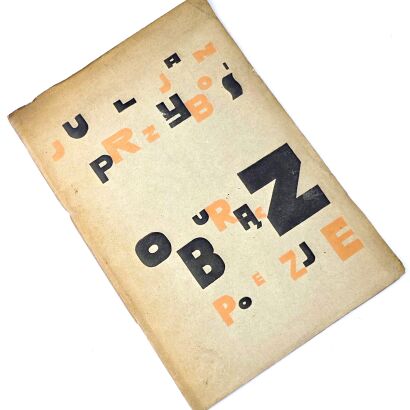
![REYMONT - CHŁOPI t.1-4 [komplet w 4 wol.] wyd.1; 1904-1906-1909](/media/products/0a86065efefa9777d2b8d5f486b6a446/images/thumbnail/small_batch-20240627-120107.jpg?lm=1765540241)


![[RENESANSOWA OPRAWA Z WIZERUNKAMI HABSBURGÓW I JAGIELLOŃCZYKÓW] NOWOPOLCZYK - APOLOGIA ALBERTI NOVICAMPIANI. Kraków 1559](/media/products/adfd8c1fe2910360016828a5d45da00e/images/thumbnail/small_batch-20250109-144014.jpg?lm=1765618191)
![[WYBITNA POLSKA OPRAWA RENESANSOWA MISTRZA PORTRETÓW MEDALIERSKICH Z POZNANIA] NICEPHORI CALLISTI XANTHOPULI - SCRIPTORIS VERE CATHOLICI 1553](/media/products/2e1a46a4ab7f3b37b1ca2e5bdf86be0c/images/thumbnail/small_batch-20230512-141958.jpg?lm=1765538814)




![[PRELUDIUM WOJNY ZE SZWECJĄ] UCHWAŁA SEYMU TORUNSKIEGO 1626](/media/products/a080d58b1c59ba7b90a7f9357031edc6/images/thumbnail/small_Abatch-20251021-105906.jpg?lm=1765538197)
![COXE- VOYAGE EN POLOGNE, RUSSIE, SUEDE, DANNEMARC, etc. t.1-2 [komplet w 2 wol.] wyd. 1786](/media/products/b8f21245b312739b217104c2e22debf4/images/thumbnail/small_20180319-131604.jpg?lm=1765539383)


 Polish