How to recognize a collectible edition of a book? First editions, unique copies, and rare print runs.
How to Identify a Collectible Book Edition: A Practical Guide for Beginners and Collectors
Not every old book is valuable—but some copies can have significant collector’s value. In this practical guide, we explain how to distinguish a first edition from a later printing, what limited editions, rare print runs, and clandestine publications are, and which elements to examine when assessing a book. You will also learn how to check the number line, condition, dust jacket, autograph, and provenance, and when it is worth consulting a professional antiquarian bookseller. The article also includes a simple checklist to help you make an initial evaluation of a book.

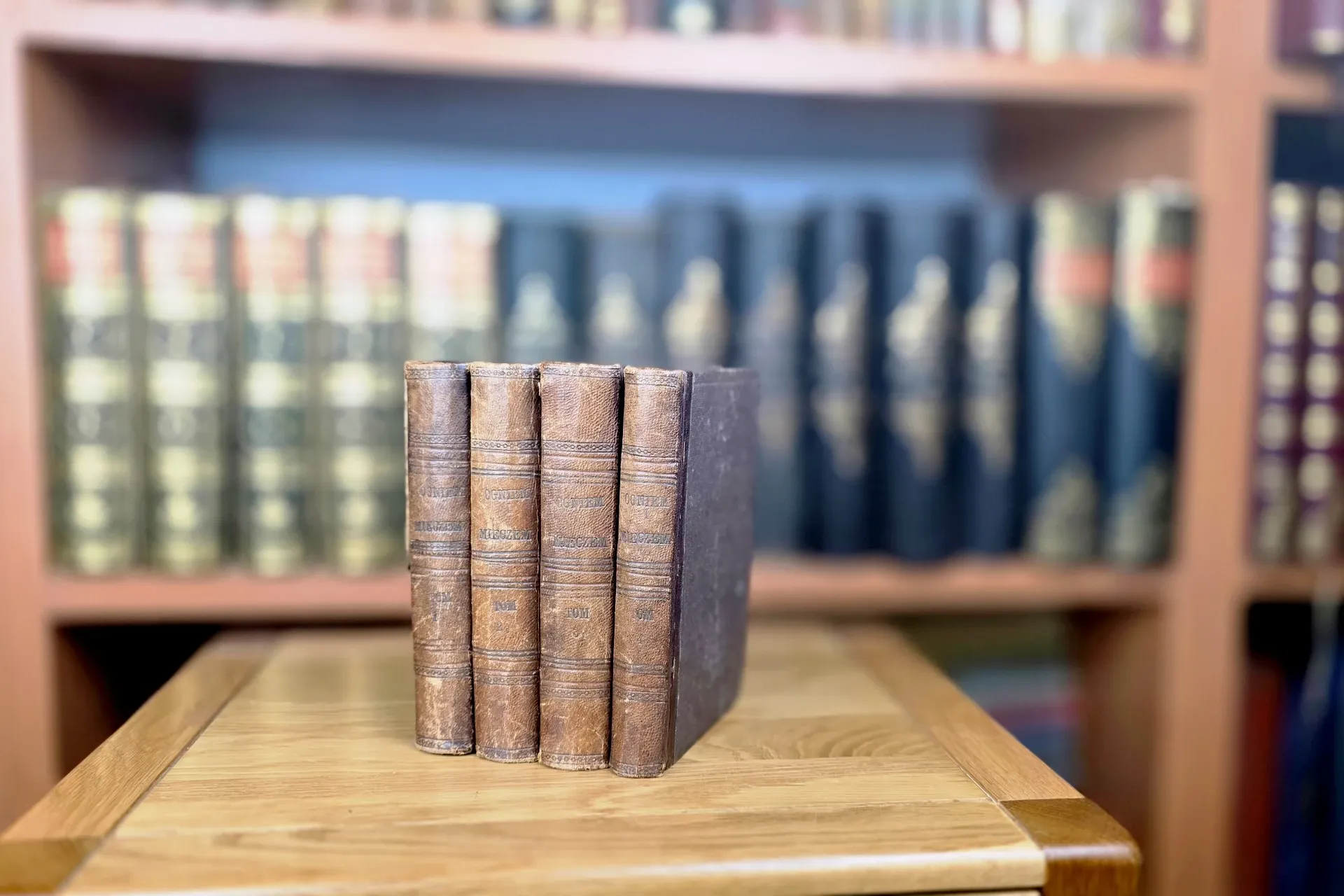
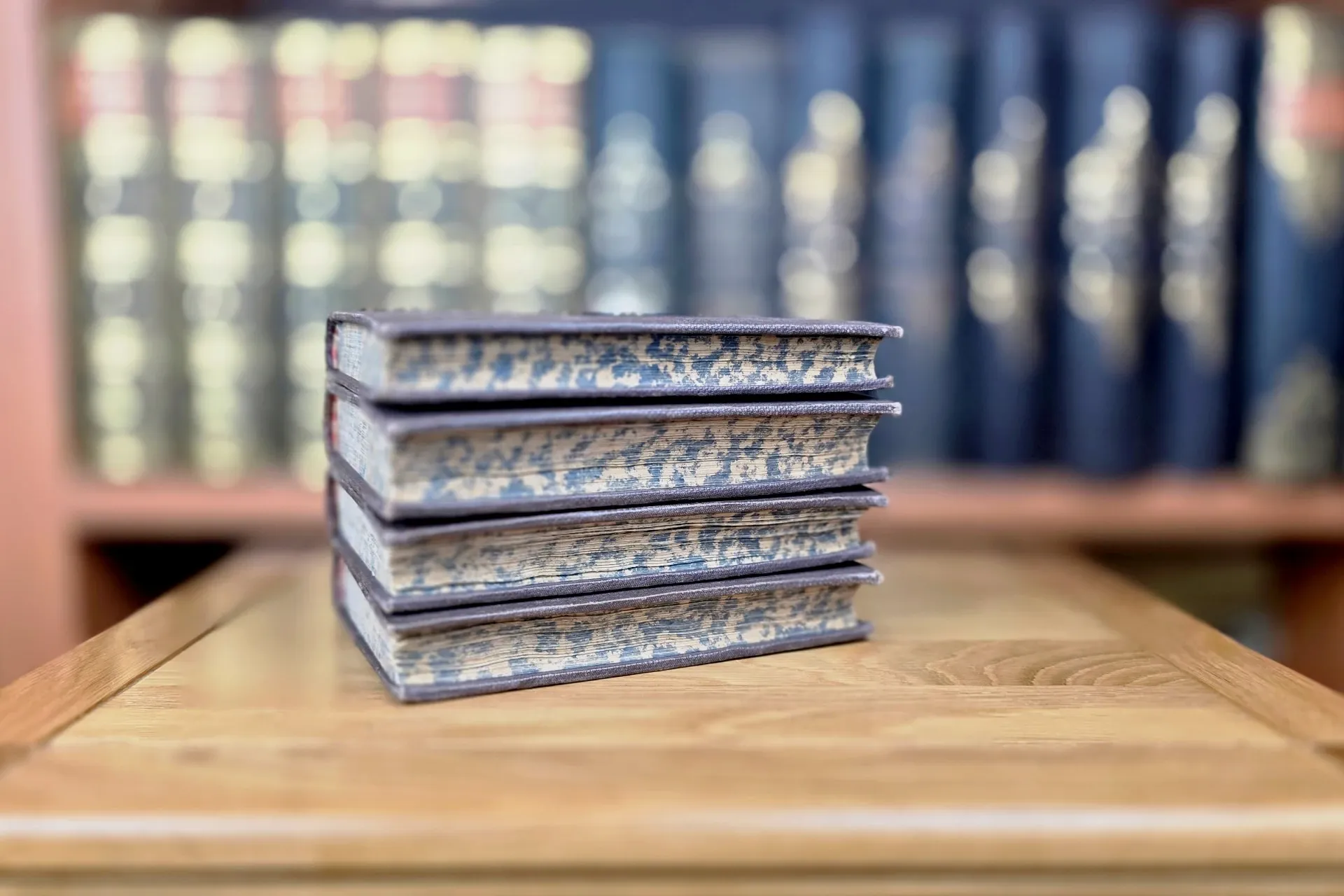
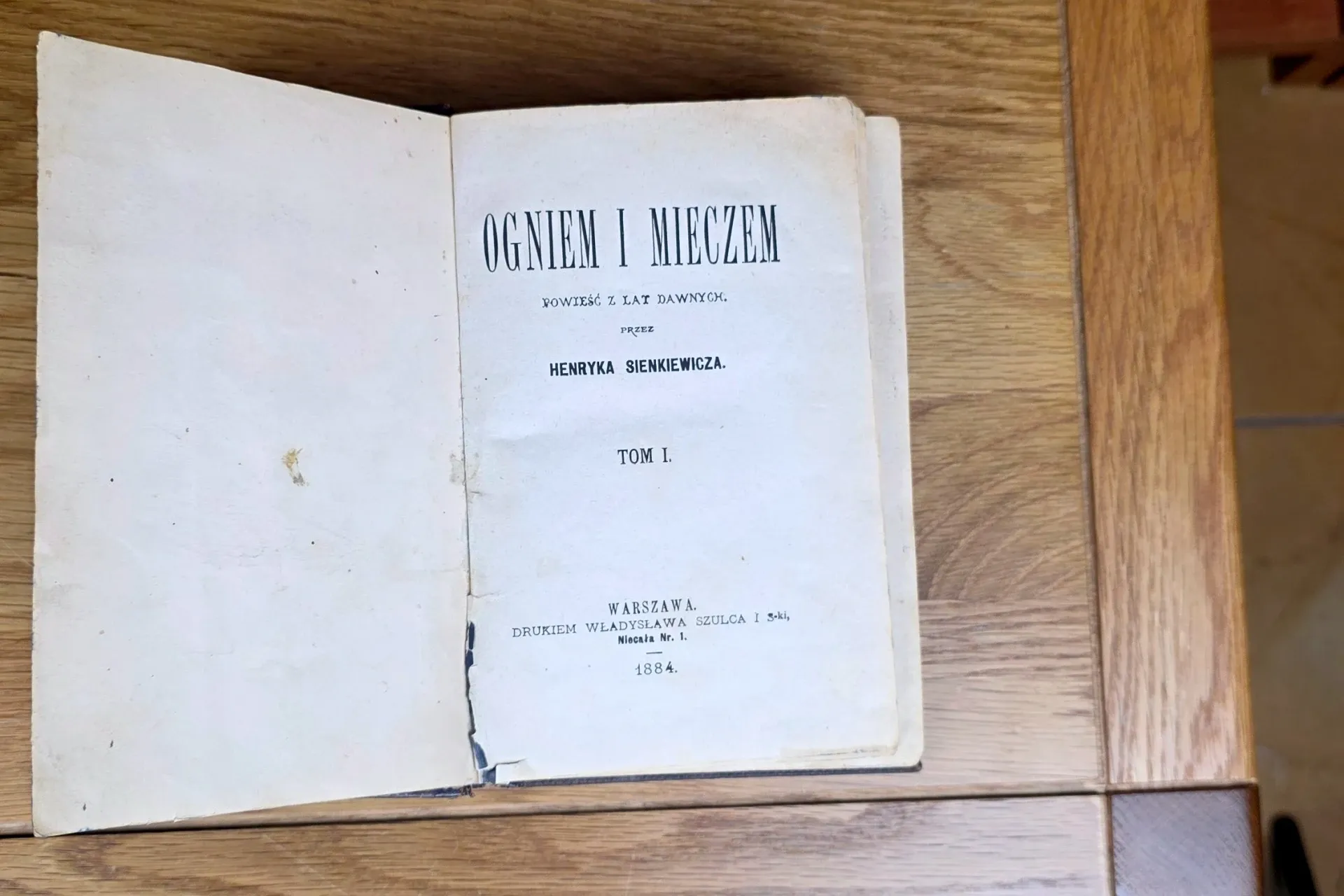
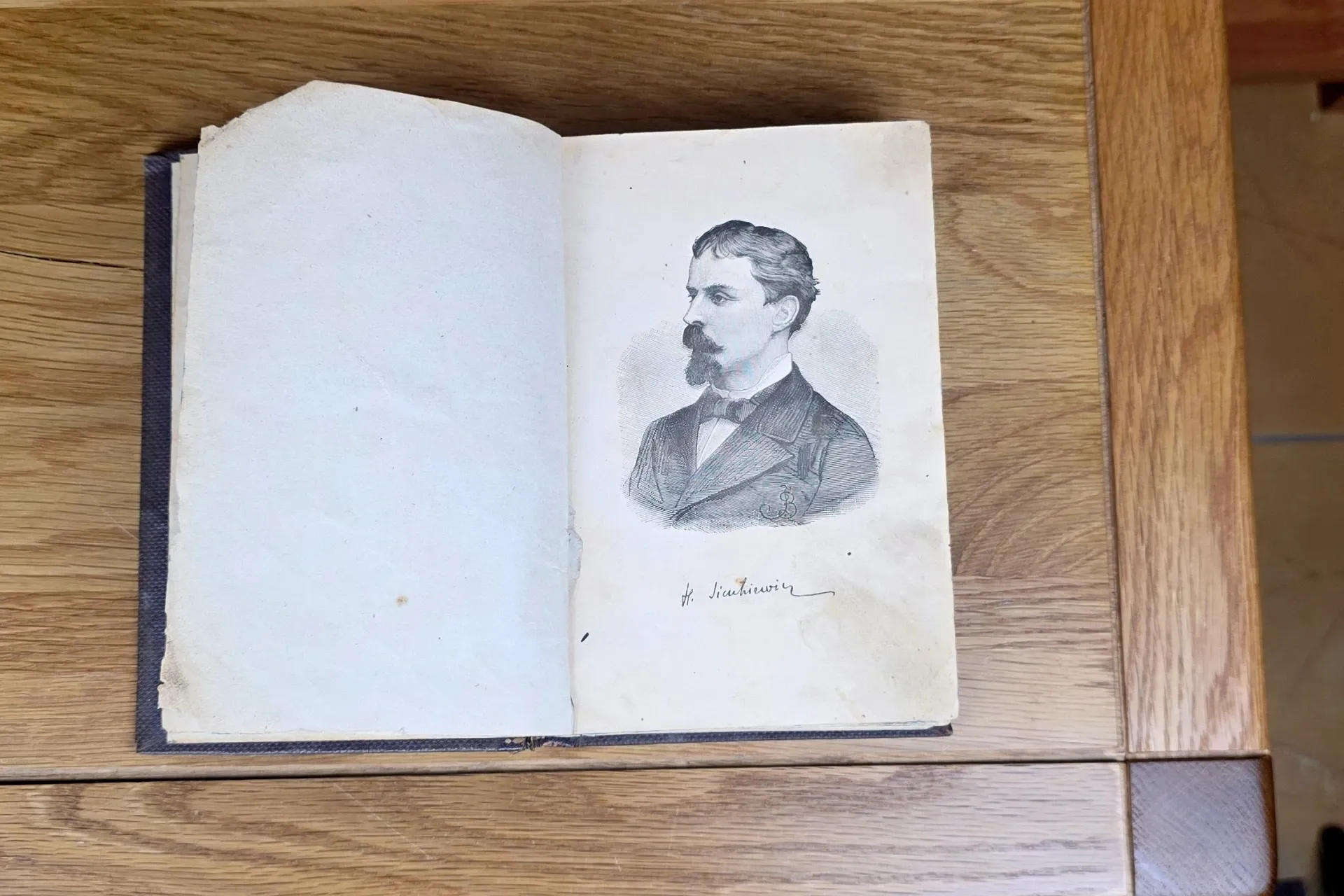
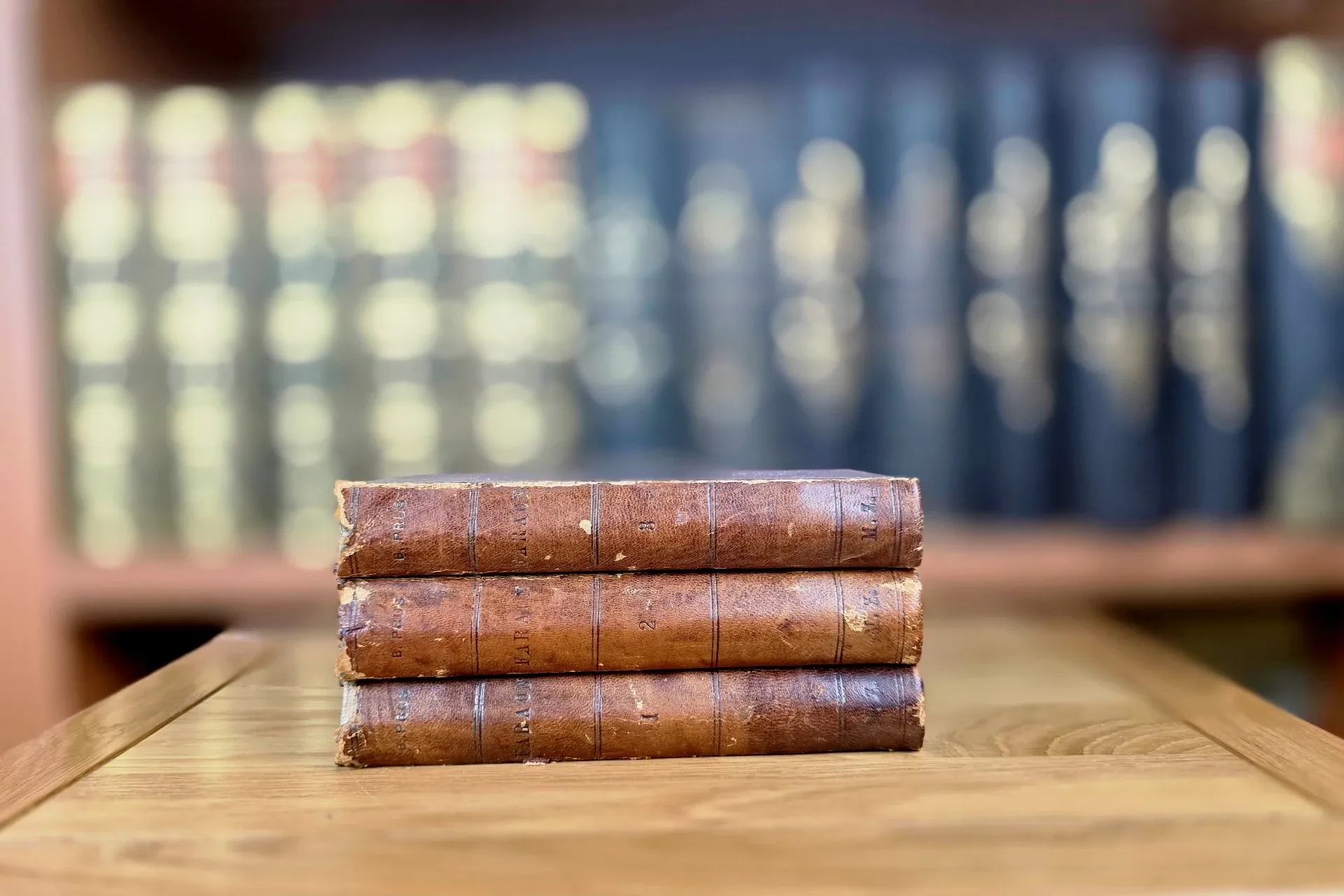
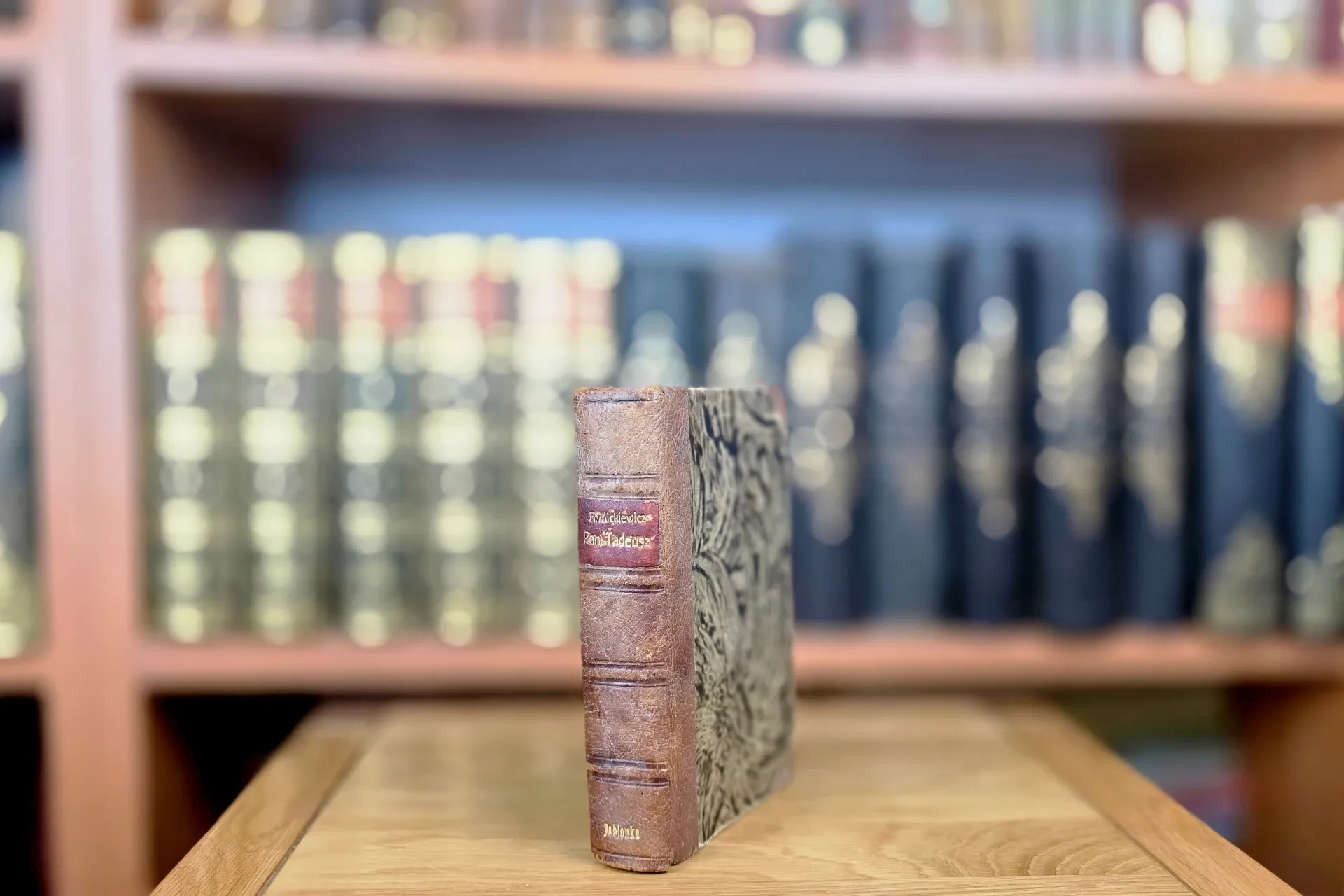


How to Identify a Collectible Book Edition? First Editions, Unique Copies, and Rare Print Runs
A tempting thought: “I have a very old book, so it must be valuable.” In antiquarian practice, this is rarely true. Age is only one of several factors that determine the value of a book. Much more important are the edition, print run, condition, and rarity.
This guide explains step by step how to identify a collectible edition of a book – what distinguishes a first edition from a later printing, what rare print runs and unique copies are, and what to look for when making a preliminary assessment of books. Correctly recognizing the features of an edition helps better appreciate items such as Polish early printed books or historic editions of literary classics.
The article was prepared for the brand Antykwariat Sobieski (https://antyksobieski.pl/), which for many years has specialized in locating and valuing rare and collectible book editions.
What Makes a Book Collectible?
Not every old or rare book is automatically “collectible.” In antiquarian practice, a combination of several factors is considered.
Importance of the Author and Title
The debut of a major writer, a canonical novel, or a groundbreaking scholarly work has greater collecting potential than an average popular novel from the same period. A good example is “Sad rozstajny” – the first edition and debut of Bolesław Leśmian.
Edition and Print Run
-
first edition (especially the first printing),
-
revised, censored, or withdrawn editions,
-
limited or numbered editions.
Rarity
-
small print runs,
-
few surviving copies (for example books destroyed during wars),
-
copies withdrawn from circulation, clandestine editions, samizdat.
Condition
Even a highly desirable title may lose most of its value if it is in poor condition: missing dust jacket, loose pages, signs of moisture, or heavy underlining.
Provenance and Additions
Author signatures, dedications to notable individuals, bookplates from known collectors, original dust jackets, maps, or inserts can significantly increase the value of a copy.
Only the combination of these characteristics makes a particular book a desirable collectible object.
How to Identify a First Edition (First Edition)?
What Is a First Edition?
A first edition is the first version of a text prepared for publication by a given publisher. For collectors, the most important is often the “true first edition” – the first edition in the first printing, usually in the country of original publication.[3]
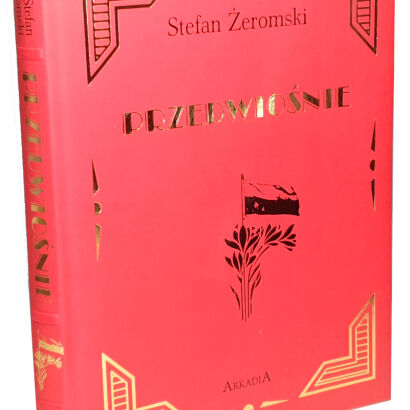
Later printings and editions are usually less desirable, although there are exceptions (for example, substantially revised or expanded editions). In practice, this means that copies such as the collectible first edition of “Przedwiośnie” by Stefan Żeromski attract greater interest than later mass reprints.
Title Page and Copyright Page – Where to Look for Information
Modern books often reveal a lot about their origin. The key places to check are:
-
title page – author, title, publisher;
-
copyright page (usually on the reverse of the title page) – publication year, information about editions and the so-called number line.
This copyright page often provides the most useful clues.
Number Lines
Many modern publishers indicate printings using a number line. Example formats include:[1]
1 3 5 7 9 10 8 6 4 2
The presence of the number “1” usually indicates the first printing. In later printings, the “1” disappears and the sequence begins with “2” or “3”.
Other examples:
This indicates the second printing of the same edition.
Sometimes publishers use hybrid systems, for example:
where letters and numbers form the publisher’s internal coding system.[2]
Verbal Information: “First Edition”
Some publishers clearly indicate the first edition with statements such as:
-
“First edition”
-
“First printing”
-
“Wydanie pierwsze”
However, caution is needed: sometimes “first edition” refers only to the first edition issued by a particular publisher or in a particular country, not the first edition of the text itself.[3]
Differences Between a First Edition and a Reprint / Second Edition
Reprint
-
identical typesetting and page layout,
-
minor corrections may appear,
-
the number line changes,
-
sometimes the price on the dust jacket differs.
Second Edition
-
may have different typesetting,
-
a different number of pages,
-
new introductions or corrections,
-
explicitly labeled “second edition.”
In book collecting, the first edition is usually more desirable, even if later editions are improved.[3]
Physical “Points of Issue”
Collectors often refer to points of issue – physical features that distinguish the earliest copies from later ones.[2][7]
These may include:
-
a specific printing error corrected in later copies,
-
the original price printed on the dust jacket, later changed,
-
the absence of references to awards that appear only on later printings.
For highly sought-after books, such details can determine price differences worth hundreds or thousands of euros.
Rare Print Runs and Unique Copies
Clandestine and Underground Editions
In Polish collections, a special category includes clandestine and underground publications, especially those produced outside the official publishing system during the communist period.
They are characterized by:[11]
-
very small and often undisclosed print runs,
-
simple design and low-quality paper,
-
lack of a conventional copyright page.
Their identification often relies on specialized bibliographies such as
“Bibliografia niezależnych wydawnictw ciągłych z lat 1976–1990” published by the National Library.[11]
For collectors, these works are often extremely valuable historical testimonies.
Private Press and Vanity Press Publications
Many low-circulation books are produced outside mainstream publishing:
-
self-published poetry volumes,
-
family memoirs or local chronicles,
-
samizdat texts duplicated manually or by photocopy.
Their value depends mainly on the importance of the author and the topic as well as the number of surviving copies.
Commemorative Editions
These are books printed for specific occasions, for example:
-
institutional anniversaries,
-
historical commemorations,
-
special editions prepared for book fairs or literary awards.
They often have limited and numbered print runs (for example 100–500 copies) and distinctive features:
-
high-quality bindings (leather, half leather, artistic cloth),
-
original prints such as engravings or linocuts,
-
certificates confirming the copy number.
For bibliophiles, such publications can be highly attractive collectible objects.
Withdrawn Editions (Errors or Censorship)
Some books were withdrawn from circulation shortly after publication, for example because of:[10]
-
serious factual errors,
-
censorship or political reasons,
-
public scandals.
If part of the print run was destroyed and only a few copies survived, these books can become extremely rare collector’s items.
Limited, Numbered, and Artistic Editions
These editions are specifically designed for collectors:
-
limited print runs, often numbered (e.g. “copy no. 37/100”),
-
high-quality materials such as acid-free or handmade paper,
-
signatures of the author, illustrator, or printer,
-
original prints (engravings, lithographs) included in the volume.[4]
For such editions, completeness is crucial. Missing elements like prints, slipcases, or certificates may significantly reduce value.
Book Condition and Its Impact on Value
Auction houses and antiquarian dealers use similar grading scales.[5][8]
Simplified categories include:
-
Mint / As New – virtually no signs of use.
-
Fine / Near Fine – minimal handling marks.
-
Very Good – minor wear but well preserved.
-
Good – visible but acceptable wear.
-
Fair – heavy wear, mainly suitable for reading copies.
-
Poor – severe damage such as missing pages.[5]
Descriptions often evaluate the book and dust jacket separately, e.g. “book: VG, dust jacket: G+”.
What to Look for When Examining a Book
Binding and Cover
-
abrasions or discoloration,
-
cracks in the spine,
-
whether the binding is original or later rebinding.
Dust Jacket
-
completeness and absence of large tears,
-
readability of text and graphics,
-
presence of the original price, which may help identify first printings.[3]
Book Block and Paper
-
signs of moisture or mold,
-
foxing (small brown spots),
-
loose pages or missing leaves.
Interior Notes and Provenance
Random annotations usually reduce value, but author signatures, notable bookplates, or institutional stamps can increase it.[4]
Elements That Increase Collectible Value
Original Dust Jacket
In modern first editions, the absence of a dust jacket may reduce value by several dozen percent.[3][4]
Publisher’s Inserts
-
maps,
-
plates,
-
advertising leaflets or errata sheets,
-
original slipcases.
Numbered Bibliophile Editions
Copies marked with numbers (for example “37/100”) and including signed prints are particularly attractive.[4]
Autographs and Provenance
-
author signatures,
-
dedications to notable individuals,
-
bookplates of famous collectors.
Exceptional Provenance
Books associated with historical events or notable owners can be more valuable than ordinary copies of the same edition.[10][11]
Common Mistakes When Assessing Book Value
Several pitfalls appear repeatedly in collecting guides.[4][7][9]
“Old Means Valuable”
Age alone does not guarantee value. Many nineteenth-century books remain inexpensive because their print runs were enormous.
Ignoring the Edition
A book may appear old and attractive but still be a later printing with little collector interest.
Discarding the Dust Jacket
Throwing away a worn dust jacket to make a book “look better” is one of the most serious collecting mistakes.[3][4]
Relying on Random Internet Prices
Listing prices do not necessarily reflect real market value. Differences in condition and edition can drastically affect price.
Ignoring Provenance
Bookplates and inscriptions may reveal important previous owners.
Not Consulting a Professional Antiquarian
Rare books often require expert evaluation to avoid costly mistakes.
Simple Checklist for Evaluating a Book
Before contacting an antiquarian, you can conduct a basic assessment.
Record full bibliographic details
-
author and title
-
publisher
-
place and year of publication
-
edition information
Check the copyright page
-
look for number lines,
-
note statements such as “first edition.”
Inspect the dust jacket and cover
-
is the dust jacket original and complete?
-
does it show the original price?
Evaluate the paper and binding
-
look for moisture damage,
-
check whether pages are missing.
Look for signatures and bookplates
-
identify possible author autographs,
-
note institutional stamps.
Compare with reliable descriptions
Check library catalogs and antiquarian listings to determine which editions are most desirable.[4][9]
Take good photographs
Photograph:
-
the title page,
-
the copyright page,
-
the binding and dust jacket,
-
signatures or defects.
Consult a Professional Antiquarian
If a book meets several of these criteria:
-
well-known author,
-
early edition,
-
good condition,
-
presence of dust jacket or autograph,
it is worth contacting a specialized antiquarian bookseller such as Antykwariat Sobieski, who can:
-
compare the copy with auction records,
-
estimate its collectible potential,
-
advise on sale or preservation.
Sources
[1] Biblio – What are number lines? Book Collecting Guide:
https://www.biblio.com/book-collecting/basics/what-is-a-number-line/[2] ILAB – First-Edition Identification by Publisher:
https://ilab.org/article/first-edition-identification-by-publisher[3] ABAA – Identifying First Editions:
https://www.abaa.org/articles/identifying-first-editions[4] Biblio – What Makes a Book Rare? Book Collecting Guide:
https://www.biblio.com/book-collecting/basics/what-makes-a-book-rare/[5] AbeBooks – A Guide to Used Book Conditions:
https://www.abebooks.com/books/rarebooks/collecting-guide/understanding-rare-books/guide-book-conditions.shtml[6] Wikipedia – List of Used Book Conditions:
https://en.wikipedia.org/wiki/List_of_used_book_conditions[7] Raptis Rare Books – 3 Mistakes to Avoid when Buying First Editions and Rare Books:
https://www.raptisrarebooks.com/3-mistakes-to-avoid-when-buying-first-editions-and-rare-books/[8] Britannica Auctions – Book Condition Rating: Your Guide to Grading Books:
https://www.britannicauctions.com/blog/book-condition/[9] Bauman Rare Books – Rare Books 101: How to Begin Collecting Rare Books:
https://www.baumanrarebooks.com/blog/how-to-begin-collecting-2/[10] Biblioteka Narodowa – Dzieła utracone: dary dla Biblioteki Narodowej:
https://www.bn.org.pl/aktualnosci/3706-dziela-utracone-dary-dla-biblioteki-narodowej.html[11] Biblioteka Narodowa – Bibliografia niezależnych wydawnictw ciągłych z lat 1976–1990:
https://www.bn.org.pl/bibliografie/bibliografia-narodowa/bibliografia-niezaleznych-wydawnictw-ciaglych-z-lat-1976-1990/











![DŁUGOSZ - ROCZNIKI CZYLI KRONIKI SŁAWNEGO KRÓLESTWA POLSKIEGO. Księga 1 - 11 [komplet w 8 wol.]](/media/products/18210bb4a958784ded65cd3df8684462/images/thumbnail/small_batch-20250218-133749.jpg?lm=1765538195)





 Polish