How to find rare pre-war books in good condition? A collector’s guide to safe online purchases and antiquarian bookshops
A comprehensive guide for collectors and book lovers on identifying valuable pre-war editions, locating them through antiquarian bookshops, auctions, and online platforms, and evaluating their condition, completeness, and authenticity to avoid common pitfalls and confidently build a high-quality, valuable collection.

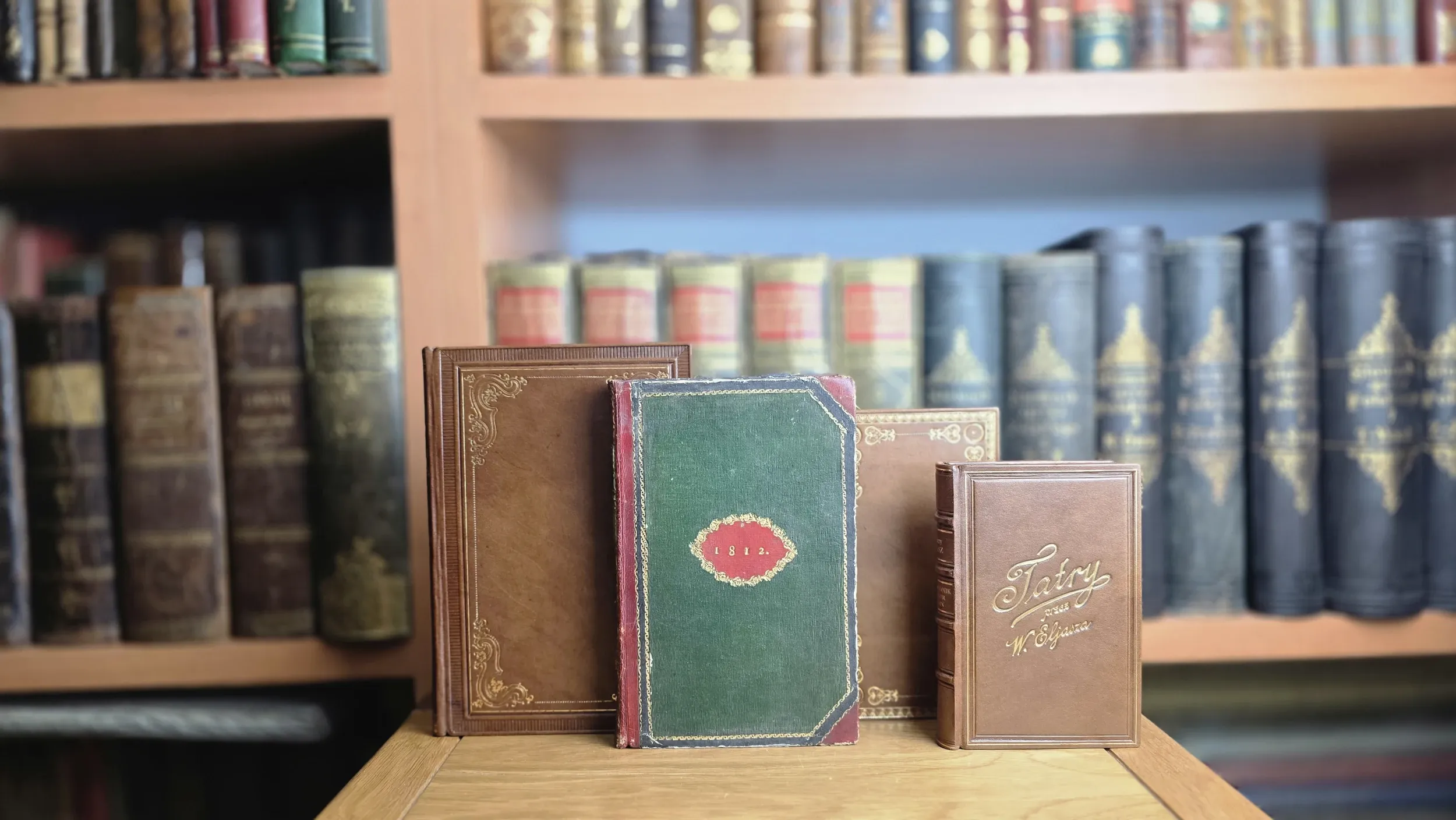
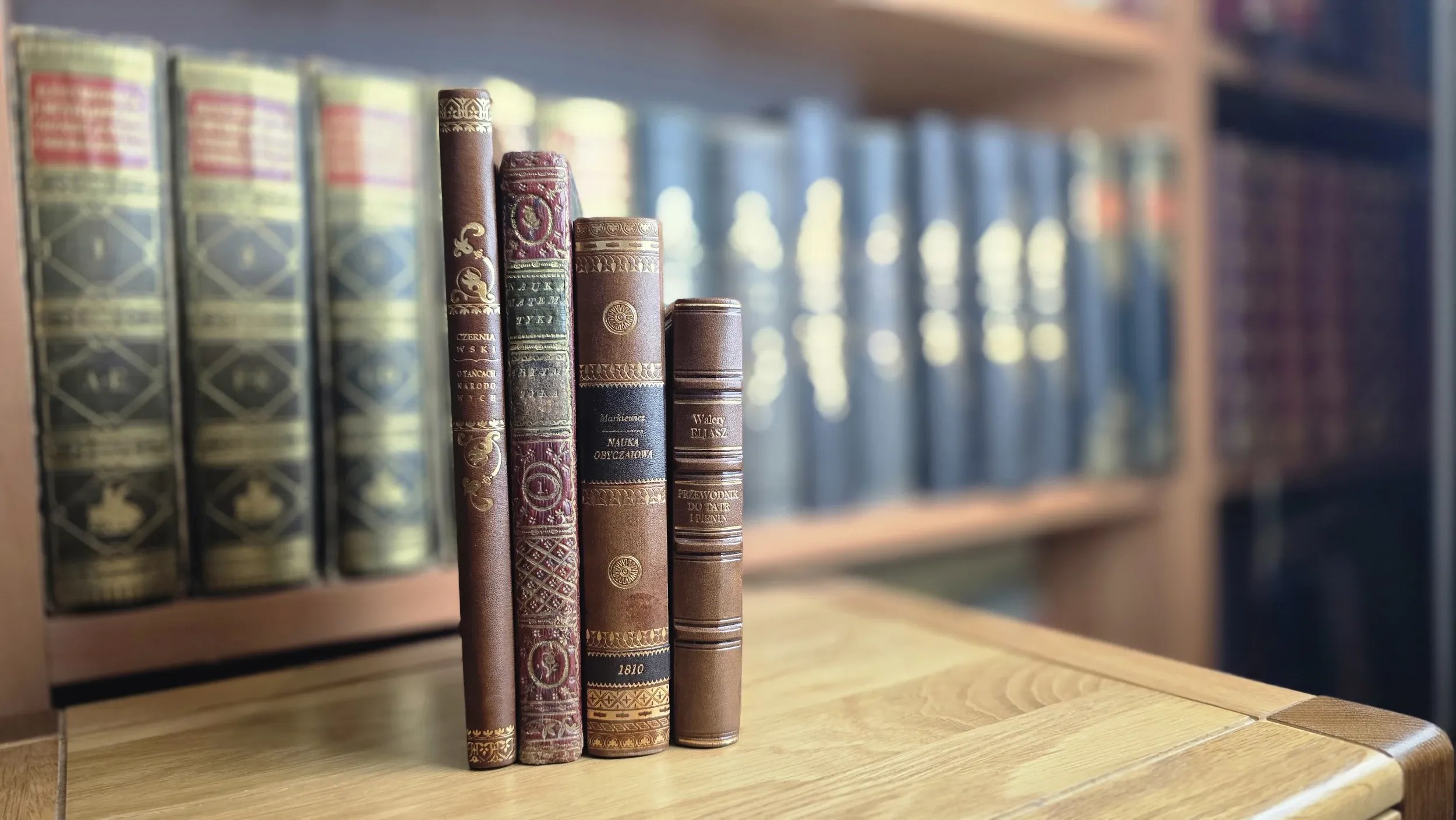
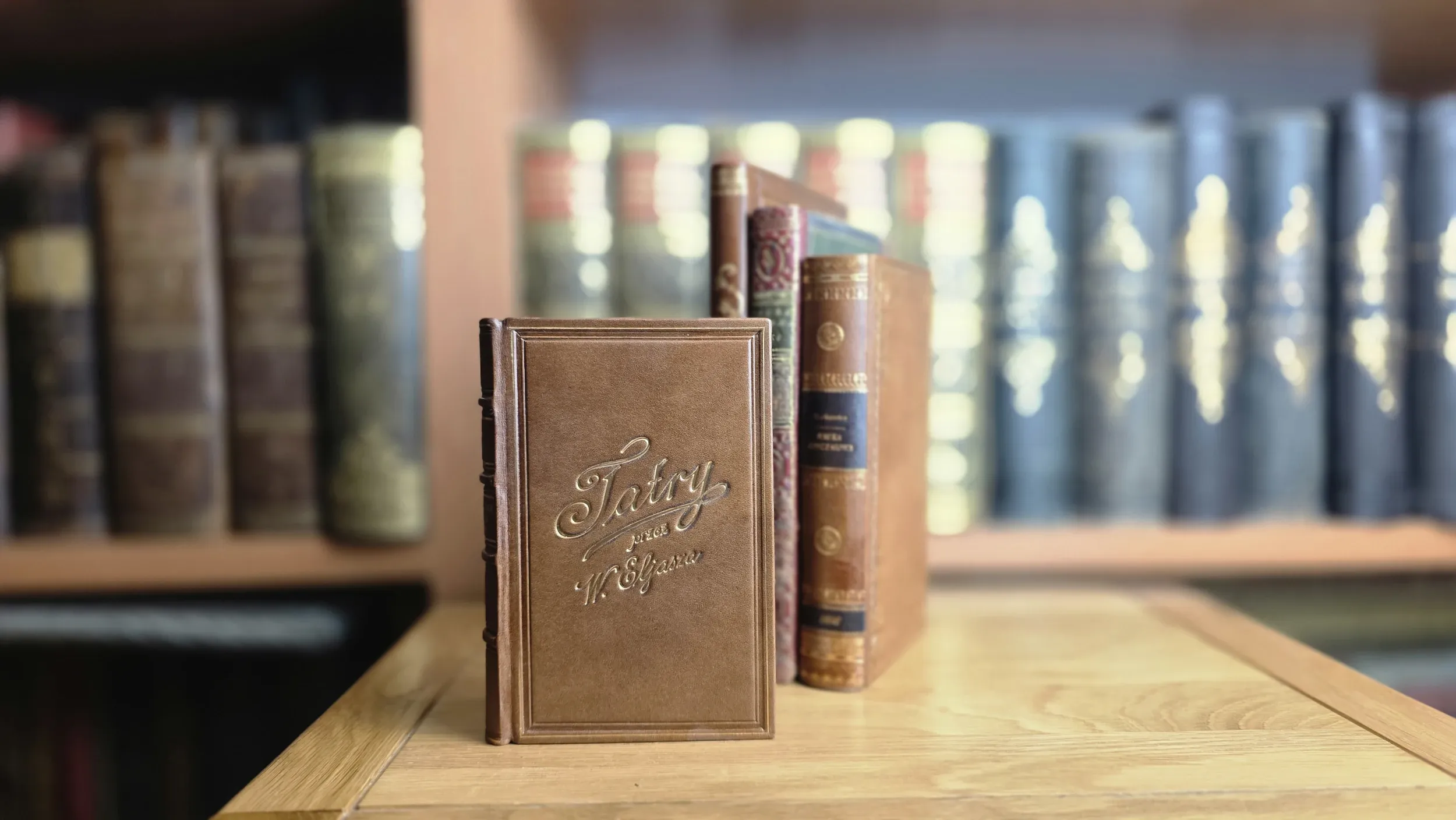
How to Find Rare Pre-War Books in Good Condition? A Collector’s Guide to Safe Online Buying and Antiquarian Bookshops
The market for rare pre-war books is fascinating but demanding. Good copies disappear quickly, and beginners can easily overpay or purchase items with significant defects. This guide shows step by step how to safely search for rare editions—both online and in physical antiquarian bookshops—and how to evaluate their condition in order to build a collection rather than a pile of disappointments.
1. The Market for Rare Pre-War Books – What You Should Know at the Start
The market for rare pre-war books in Poland and Europe is active but highly selective. This means that:
- truly desirable titles appear rarely and are quickly purchased
- the most valuable copies are complete, in their original or well-preserved bindings, and with documented provenance
- online purchasing is increasingly important – collectors browse pre-1945 books in online antiquarian bookshops, auction houses, and marketplaces, comparing prices and condition descriptions
The most highly valued items include:
- first editions of important authors and works
- rare local print runs (e.g. provincial printing houses, émigré publishers)
- copies with provenance (e.g. ex-libris of a known owner, institutional donation, author’s signature)
- complete series sets (missing volumes can significantly reduce value)
In practice, not only the title matters, but also condition, completeness, and documented ownership history.
2. Where to Look for Rare Pre-War Books
2.1. Physical Antiquarian Bookshops
Traditional antiquarian bookshops are a natural starting point for bibliophiles. Their advantages include:
- the ability to examine the book in person (smell, paper texture, binding condition)
- direct contact with an antiquarian bookseller and access to expertise and context
- occasional “shelf discoveries” before items appear online
The downside is limited availability—selection depends on local acquisitions, often linked to professional book and rare book purchasing.
2.2. Online Antiquarian Bookshops
Specialized online antiquarian bookshops (such as Antykwariat Sobieski) have become a key tool for collectors. They offer:
- a wide selection, often thousands of titles available immediately
- filtering by date, subject, author, and condition
- detailed descriptions and photographs for remote evaluation
- worldwide purchasing access
For rare pre-war books, the quality of descriptions and the reputation of the seller are crucial. Professional dealers:
- clearly state completeness (missing pages, illustrations, maps)
- describe all defects (wear, damage, moisture stains)
- indicate whether bindings are original or later restorations
2.3. Auction Houses
Auction houses (both physical and online) often handle the rarest items and private collections. They provide:
- access to high-quality copies, sometimes from important private libraries
- auction catalogs that serve as educational material (descriptions, terminology, valuations)
However, they require:
- registration and familiarity with regulations
- awareness of additional costs (buyer’s premium, fees)
- the ability to make quick decisions
This channel is best suited for experienced collectors.
2.4. Marketplaces and Classified Platforms
Platforms such as Allegro, OLX, or eBay are popular but require caution:
- descriptions are often brief and unreliable (“condition as shown in photos”)
- images may be low quality or incomplete
- sellers may not distinguish between reprints, facsimiles, and originals
These platforms should be treated as a supplement, not a primary source. Verification of the seller is essential.
3. How to Buy Rare Pre-War Books Safely Online
Safe purchasing depends primarily on a trustworthy seller and an honest item description.
3.1. Characteristics of a Reliable Antiquarian Bookshop
A professional antiquarian bookshop:
- operates continuously for many years
- provides clear contact details (address, phone, tax ID, terms)
- offers transparent return and complaint policies
- provides high-quality photographs (cover, title page, spine, defects)
- uses consistent condition terminology (“very good,” “good,” “fair”)
- does not hide repairs, reinforcements, or missing elements
A reputable antiquarian shop such as Antykwariat Sobieski combines these standards with additional services like authenticity certificates, collection consulting, and professional bookbinding.
3.2. Condition and Completeness – What to Expect
A proper description of a rare pre-war book should include:
- full bibliographic data: author, title, publisher, place and year, format, page count
- binding information: original / later / restored; material and decorations
- condition of the book block: discoloration, foxing, moisture traces, loose binding
- detailed defects: spine damage, tears, stains, repairs
- completeness: all pages, illustrations, maps, inserts
- provenance: stamps, ex-libris, dedications, notes
If anything is missing, the buyer should ask before purchasing.
4. How to Assess the Condition of Pre-War Books
4.1. Basic Condition Grades
The market typically uses simplified categories:
- very good condition
- good condition
- fair condition
These are informal but generally consistent in professional antiquarian trade.
| Condition | Typical characteristics |
|---|---|
| Very good | Complete, minimal defects; slight wear to binding; clean pages; no moisture damage |
| Good | Complete; visible wear; foxing or stains; minor edge tears; small repairs |
| Fair | Missing elements; heavy wear; stains; weakened binding; possible missing pages |
There is no universal international standard, so detailed descriptions and photos are essential.
4.2. Common Defects and Their Impact
Typical issues in pre-war books include:
- missing parts of the binding (especially spine and corners)
- abrasions and surface loss
- stains and discoloration (including moisture damage)
- foxing (rust-colored spots)
- warping due to humidity
- institutional stamps or handwritten notes
- repairs (reinforced spines, glued joints)
- missing pages, illustrations, maps, or inserts
Value impact depends on:
- rarity of the title
- importance of missing elements
- visibility and quality of repairs
5. How to Avoid Being Scammed: Reprints, Facsimiles, and “Too Perfect” Copies
A common beginner mistake is confusing reprints with originals, especially for popular literary works.
Watch out for:
- publication date and publisher compared with bibliographic records
- paper and print quality (modern paper vs. aged paper)
- publisher markings indicating reprints
- condition that seems too perfect for age
6. Checklist Before Buying Online
Seller
- Is it a professional antiquarian or auction house?
- Are full company details provided?
- Are there reviews or references?
Bibliographic data
- Does the edition match the expected year?
- Are publisher, place, and page count included?
- Is it an original, not a reprint?
Condition and completeness
- Are defects clearly described?
- Is completeness confirmed?
- Is the binding original?
Photos
- Are spine, cover, title page, and interior shown?
- Are defects visible?
- Are images accurate and unedited?
Purchase conditions
- Is return possible?
- Is shipping insured and secure?
- Is the total cost clear?
Questions
- Does the seller respond clearly?
- Are answers satisfactory?
If any answer is unclear—pause and ask.
7. Common Beginner Mistakes
- buying based on a single photo
- ignoring missing elements
- confusing reprints with originals
- not checking shipping and return policies
- focusing only on appearance
- underestimating provenance
8. Professional Binding and Conservation
8.1. Should You Rebind a Pre-War Book?
Original bindings often have historical value. Rebinding makes sense only when:
- the original binding is severely damaged
- the book will be heavily used
- a uniform collector set is being created
Professional bookbinding should always be done by specialists familiar with antique books.
8.2. Storage and Preservation
Proper storage includes:
- stable temperature and humidity
- protection from sunlight
- correct shelving (no pressure or gaps)
- regular gentle cleaning
9. Building a Collection with an Antiquarian Bookshop
Instead of random purchases:
- define a thematic focus
- prioritize acquisitions
- balance rarity vs condition
A professional antiquarian bookshop can help:
- identify key editions
- plan acquisitions
- verify authenticity
10. Summary
Finding rare pre-war books in good condition is not luck but informed decision-making. Key factors include:
- choosing trustworthy sellers
- reading descriptions carefully
- avoiding reprint mistakes
- asking questions before purchase
- building a long-term collecting strategy
If you are looking for rare editions or gift-quality books, it is worth working with experienced antiquarians who can help build a meaningful and valuable collection.
Sources
- “Book Market in Poland 2025 Report” – Biblioteka Analiz
- International League of Antiquarian Booksellers (ILAB)
- Library of Congress – Preservation of Books and Paper Resources
- National Library of Poland – Online Catalogue
- Antiquarian Booksellers’ Association – Guide to Book Condition and Terminology
Sources
- „Rynek książki w Polsce 2025. Raport” – Biblioteka Analiz, https://biblioteka-analiz.pl
- International League of Antiquarian Booksellers (ILAB) – „Collecting and the Antiquarian Book Trade”, https://ilab.org
- Library of Congress – „Preservation of Books and Paper Resources”, https://www.loc.gov/preservation
- Biblioteka Narodowa – Katalog on-line BN, https://katalogi.bn.org.pl
- Antiquarian Booksellers’ Association (ABA) – „Guide to Book Condition and Terminology”, https://www.aba.org.uk


![CZECHOWSKI; GLOGER - OPIS ZIEM ZAMIESZKANYCH PRZEZ POLAKÓW wyd. 1904r. Tom I-II [komplet] OPRAWA WYDAWNICZA ilustracje](/media/products/11b3ddf840678f3525a914f733e3f900/images/thumbnail/small_13_bcd638aa6a64.jpg?lm=1765540003)


![KOLUMNA - PAMIĄTKA DLA RODZIN POLSKICH. KRÓTKIE WIADOMOŚCI O STRACONYCH NA RUSZTOWANIACH, ROZSTRZELANYCH, POLEGŁYCH I ZMARŁYCH NA WYGNANIU SYBERYJSKIEM I TUŁACTWIE OFIAR 1861-1866. Cz. 1-2, dodatek [komplet w 1 wol.]](/media/products/9cc1304e74a1668a8ed6b978f7519aa4/images/thumbnail/small_batch-20240605-133322.jpg?lm=1765540584)


![KRASZEWSKI- POLSKA W CZASIE TRZECH ROZBIORÓW t. I-III [KOMPLET] wyd. 1885r. OPRAWA ilustracje](/media/products/a63ad9224e879281828b1d415af956c3/images/thumbnail/small_DSC07771.JPG?lm=1765538494)


![REYMONT - CHŁOPI T. 1-2 [komplet] ilustracje KĘDZIERSKIEGO](/media/products/0bc43d0ed16585a1521ee51d9cb88b7b/images/thumbnail/small_collage.png?lm=1765539401)


 Polish