Where to Buy Interwar Books? A Complete Guide to Trusted Antiquarian Bookstores (Online & Offline, with the Example of Sobieski Antiquarian Bookstore)
Where to Buy Interwar Books? A Complete Guide to Trusted Antiquarian Bookstores (Online & Offline, with the Example of Sobieski Antiquarian Bookstore)
What Are Interwar Books and Why Do They Matter?
The interwar period (1918–1939) was a time of profound cultural, political, and social transformation. This is clearly reflected in the books of that era—both in their content and their physical form. Interwar books are not just old volumes; they are tangible artifacts of a defining historical moment.
Why Are They So Appealing to Collectors and Readers?
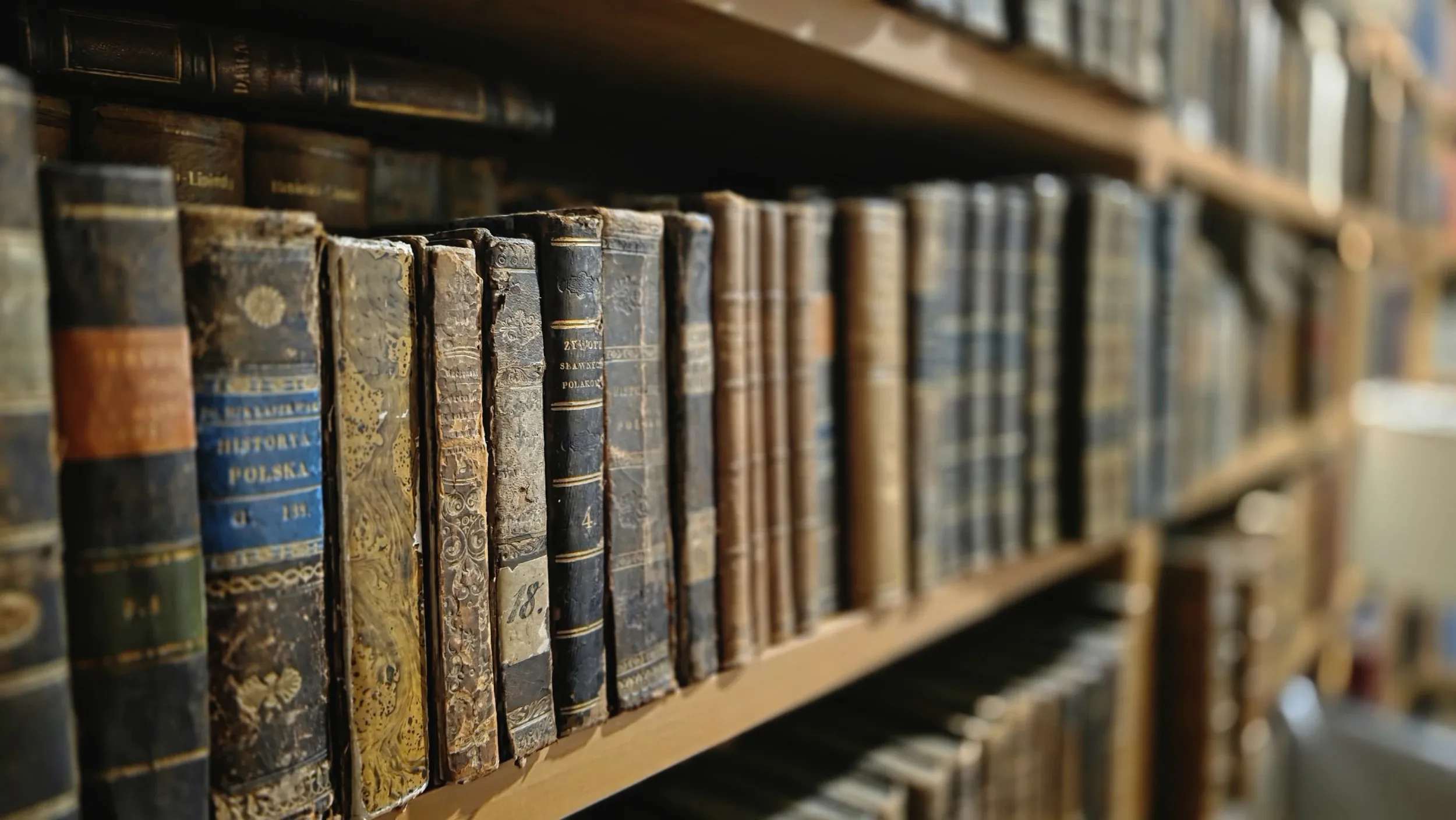
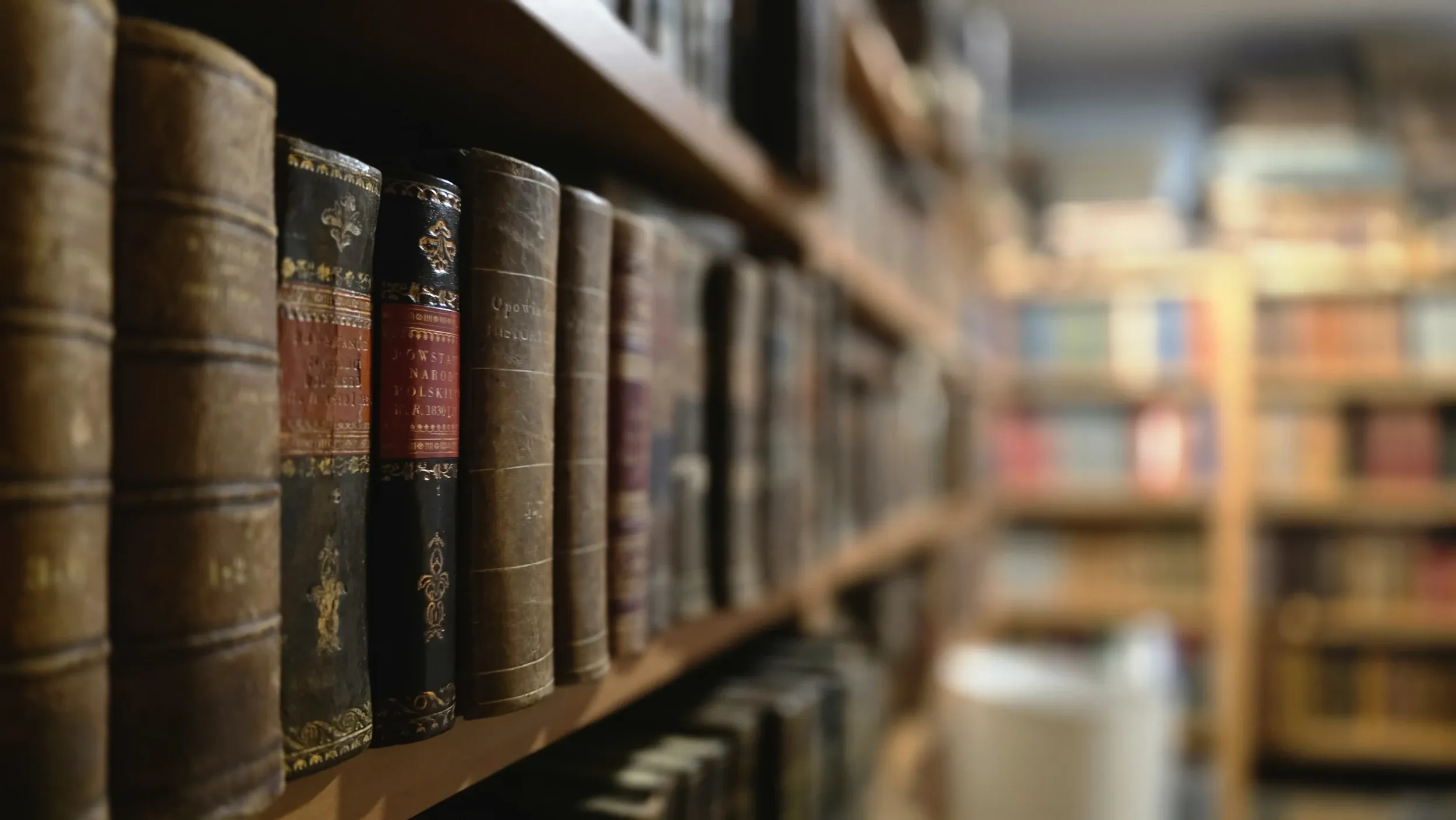
Historical value – many titles document the rebirth of the Polish state, as well as developments in science, art, literature, and everyday life during the Second Polish Republic.
Unique design and aesthetics – cover art, typography, and illustrations (including works by avant-garde artists and the Kraków school) often hold artistic value in their own right.
First editions of classics – this period saw the publication of many works that are now part of the literary canon. Owning a pre-war first edition is a point of pride for any bibliophile.
Rarity and uniqueness – war, destruction, time, and natural wear have made well-preserved copies increasingly difficult to find.
Provenance – interwar books often carry fascinating ownership histories: bookplates, library stamps, and personal dedications. Understanding ex libris and provenance can significantly enhance appreciation.
For many, there is also a sentimental dimension—a return to family libraries and an aesthetic that has largely disappeared from modern publishing.
Where to Buy Interwar Books in Poland?
If you’re building a collection, it’s important to understand the market landscape. Interwar books can be found in several types of places, each with its advantages and limitations.
Brick-and-Mortar Antiquarian Bookstores
These are traditional second-hand and rare bookshops, often operating for decades.
Advantages:
- the ability to inspect the book in person—touch, smell, and assess its true condition
- direct conversation with an experienced bookseller
- potential for price negotiation
- chance discoveries, especially in major cities (Warsaw, Kraków, Poznań, Wrocław, Gdańsk)
Disadvantages:
- limited display space—many items remain in storage
- localized and often inconsistently cataloged inventory
- less accessible for those outside major cities
Online Antiquarian Bookstores
These are specialized e-commerce platforms offering used and rare books, including pre-war editions.
Advantages:
- nationwide and international reach
- convenient filtering by author, year, subject, and price
- detailed descriptions and high-quality photos (often including defects)
- easy comparison across multiple sellers
- real-time availability
Disadvantages:
- no physical inspection before purchase
- reliance on seller descriptions and images
- shipping risks (discussed below)
Sobieski Antiquarian Bookstore is an example of such a specialized online bookstore—discussed in detail later.
Antiquarian Auctions (e.g., OneBid)
Auction houses and aggregator platforms like OneBid play a key role in the sale of more valuable interwar books.
Characteristics:
- bidding-based sales—prices may exceed estimates
- curated selections by experts
- detailed catalogs with descriptions and photographs
- participation possible both in-person and online
Ideal for rare items, signed copies, and books with notable provenance—but requires some experience.
Marketplaces (e.g., Allegro)
Platforms like Allegro or OLX offer a vast range of interwar books from both professionals and private sellers.
Pros:
- wide selection
- potential bargains
- buyer protection tools
Cons:
- inconsistent quality of descriptions and photos
- inexperienced sellers may misidentify editions
- higher risk of discrepancies—always check reviews and ask questions
Flea Markets, Book Fairs, and Antique Markets
Physical markets and fairs often feature interwar books.
Advantages:
- direct inspection
- price negotiation
- chance for unique finds
Disadvantages:
- unpredictable availability
- exposure to weather conditions
- limited time and location
Buying Interwar Books Abroad
The international market provides access to books unavailable in Poland.
Key Platforms
1. AbeBooks
A global platform with thousands of booksellers.
2. Biblio
Similar model, often strong in academic and humanities titles.
3. ViaLibri / ILAB
ViaLibri – a meta-search engine for rare books
ILAB – a global association ensuring professional standards
What to Watch Out for?
- Shipping costs and insurance
- Customs and taxes (outside the EU)
- Condition grading systems (Fine, Very Good, etc.)
- Return policies
How to Recognize a Trustworthy Antiquarian Bookstore?
Trust is essential—especially online.
Key Indicators:
- transparent company information
- clear return policy
- detailed condition descriptions
- high-quality images
- experience and specialization
- customer reviews
Sobieski Antiquarian Bookstore – A Specialized Example
Sobieski Antiquarian Bookstore focuses on:
- rare books and early prints
- interwar editions
- first editions
- Polish and world classics
Who Is It For?
- collectors and bibliophiles
- cultural institutions
- gift buyers
They offer worldwide shipping and serve clients across Poland and beyond.
Bookbinding and the Role of Professional Restoration
A unique feature of Sobieski is combining bookselling with professional bookbinding services.
This Includes:
- leather bindings
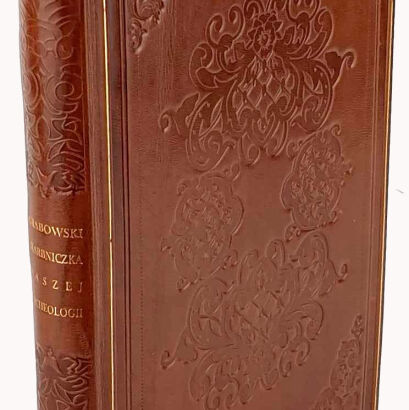
- artistic bindings
- custom presentation bindings
- ready-to-gift editions
You can also explore their services here:
https://antyksobieski.pl/webpage/uslugi-introligatorskie-antykwariat-internetowy-sobieski.html
Proper binding improves durability, aesthetics, and market value.
How Much Do Interwar Books Cost?
Prices vary widely—from tens to thousands of PLN.
Key Factors:
- first edition
- completeness
- condition
- autograph
- provenance
- rarity
- binding
Common Problems and How to Avoid Them
Typical issues:
- vague condition descriptions
- hidden defects
- poor packaging
- return difficulties
- misidentified editions
How to reduce risk:
- read descriptions carefully
- request additional photos
- verify seller credibility
- confirm shipping methods
- clarify return policies
How to Evaluate Book Condition
Common Scale:
- Fine (F)
- Very Good (VG)
- Good (G)
- Fair
- Poor
Key Terms:
- wear, losses, discoloration
- repairs
- bookplate (ex libris)
- provenance
- dust jacket
- loose pages
Best Practices for Collectors
Storage Tips:
- stable temperature (18–22°C)
- no direct sunlight
- upright positioning
- clean environment
- careful handling
Building a Collection
- choose a focus
- plan long-term
- keep records
- consult experts
- balance passion and investment
Summary – Where to Start?
The interwar book market is rich and accessible—if approached wisely.
Combine:
- physical bookstores
- online antiquarian shops
- auctions (e.g., OneBid)
- marketplaces (Allegro)
- international platforms (AbeBooks, Biblio, ViaLibri)
Above all, prioritize trust, knowledge, and proper care.
If you're looking for a reliable source of rare and pre-war books—along with expert bookbinding—Sobieski Antiquarian Bookstore is a strong place to start.
Sources
ILAB – https://ilab.org
ViaLibri – https://www.vialibri.net
AbeBooks – https://www.abebooks.com
Biblio – https://www.biblio.com
OneBid – https://onebid.pl
Allegro – https://allegro.pl/kategoria/ksiazki-i-komiksy-antykwariat-74924
Library of Congress – https://www.loc.gov/preservation/care/faq/
British Library – https://www.bl.uk/help/how-to-care-for-your-books-and-manuscripts
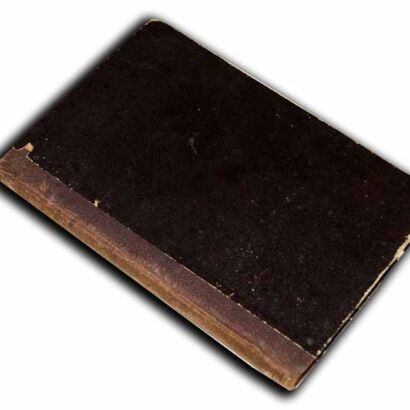


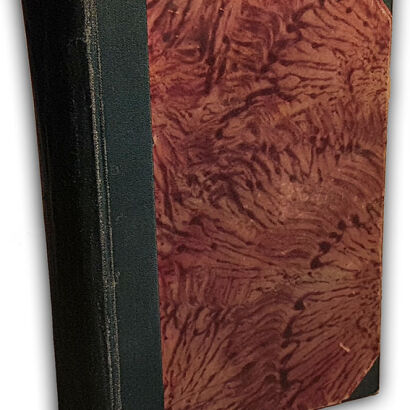
![RAMOTY I RAMOTKI Augusta Wilkońskiego T.I-V [komplet] wyd.1873r. drzeworyty](/media/products/a1c8915e56aa0ad494ad5362884865eb/images/thumbnail/small_DSC06744.JPG?lm=1765538482)





 Polish