Because Quality Matters!
In the book market, finding true rarities in excellent condition is becoming increasingly difficult. Learn why quality, preservation, and traditional bookbinding craftsmanship are crucial today.

 Because Quality Matters!
In the world of antiquarian books and collecting, genuine quality has become rare. Quantity does not equal excellence and it is quality that defines the true worth, durability, and beauty of an old book.
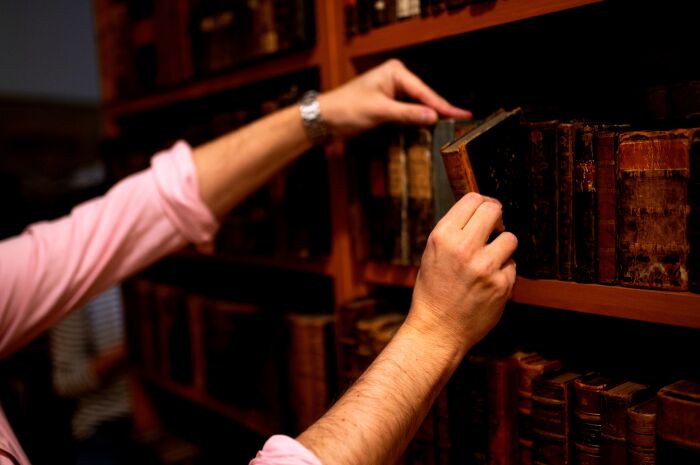
Today, the market is flooded with offers – from genuine treasures to books that should never have been offered for sale. Some are dirty, moldy, incomplete, or poorly restored. True bookbinding craftsmanship, once considered an art, has become a rare profession.
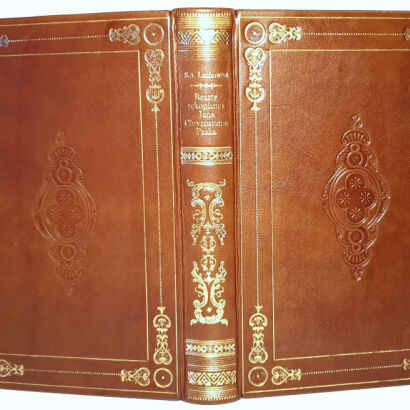
Yet, traditional bookbinding, leather bindings, and handmade craftsmanship remain part of Europe’s cultural heritage. A well-made leather-bound book, with delicate gilding, tooling, and marbled edges, is much more than protection for paper: it is art, tradition, and lasting beauty.

When it comes to old books, quality means above all condition.
Two copies of the same edition may differ drastically in value: one in fair condition might cost €20, while another - in pristine, near-printing condition - may reach €300 or more.

The reason is simple: in the collecting world, condition defines value. Just as with coins - where the difference between grade C and grade A may mean a tenfold price difference — the same principle applies to rare books.
Despite wars and losses, well-preserved books still exist, though they are becoming increasingly rare. Clean, complete, well-kept copies end up in serious collections and libraries, where they remain for decades. Their historical and financial value will only grow.


For those who see books as an investment, this is key:
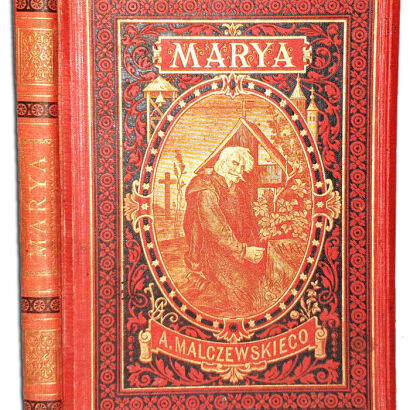
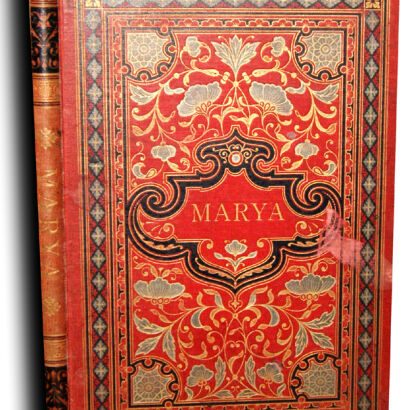
A damaged copy may be cheaper, but it will not appreciate in value. In many cases, restoration to its original state is impossible, especially for 19th-century publisher’s cloth bindings. When possible, a fine leather rebinding can give new life - but a truly original, fine copy will always be the collector’s treasure.
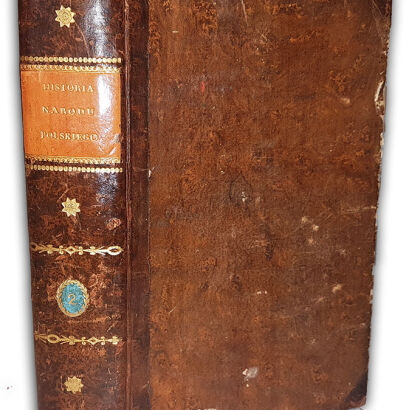
Online photos can also deceive. Two books may look similar, yet differ in texture, precision of tooling, or the richness of gilding. Only close inspection reveals the difference between the ordinary and the exceptional.


True fine books are defined by attention to detail - from hand-marbled papers and edges, to hand-tooled spines and elegant gilt ornaments. These are not just books; they are functional works of art.
Such books require expertise. With over 20 years of experience in rare book restoration and conservation, we understand what each book needs. Every copy is cleaned, stabilized, and refined before it reaches a collector - ready to delight generations to come.
In a world ruled by haste and mass production, quality and condition remain the true measure of value.
A fine book, like a work of art or a rare coin, never loses its brilliance. It only becomes more precious over time.


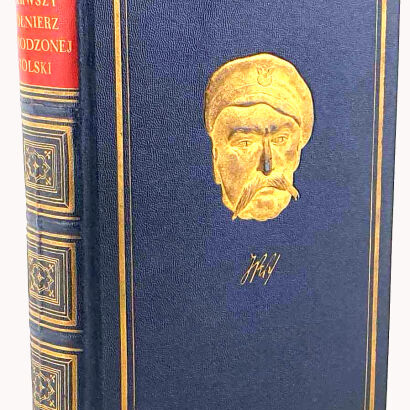
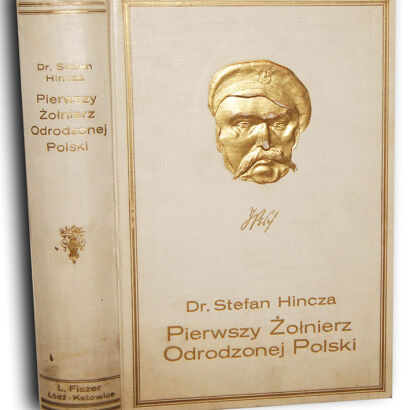
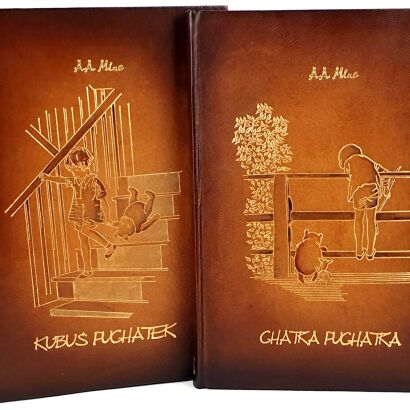
Follow the upcoming posts in our Collector’s Guide series. Below you’ll find links to the books featured in this article.
Feel free to follow us on Facebook and Instagram as well.
![REYMONT - CHŁOPI t. 1-4 [komplet w 2 wol.] 1925](/media/products/312428f435a61ebf2b39fd046ab63151/images/thumbnail/small_batch-20240222-124109.jpg?lm=1765538118)

![HOMER: DZIEŁA. ILIADA t.1-3 [komplet w 3 wol.] oprawa](/media/products/5546b3678bfadf618fe19a0b6bfb2efb/images/thumbnail/small_batch-20240313-113251.jpg?lm=1765538118)

![SOBIESZCZAŃSKI- WIADOMOŚCI HISTORYCZNE O SZTUKACH PIĘKNYCH W DAWNEJ POLSCE t.1-2 [komplet w 2 wol.] wyd. 1847r.](/media/products/922db0091b56dc23e939eb6c725515c6/images/thumbnail/small_20200806-130117.jpg?lm=1765538118)


 Polish